AI-Powered Fitness: The Future of Digital Health Lifestyles sets the stage for this enthralling narrative, offering readers a glimpse into a story that is rich in detail and brimming with originality from the outset.
As we delve into the realm of AI-powered fitness, we uncover a world where technology and health intertwine to create personalized wellness experiences like never before.
Introduction to AI-Powered Fitness
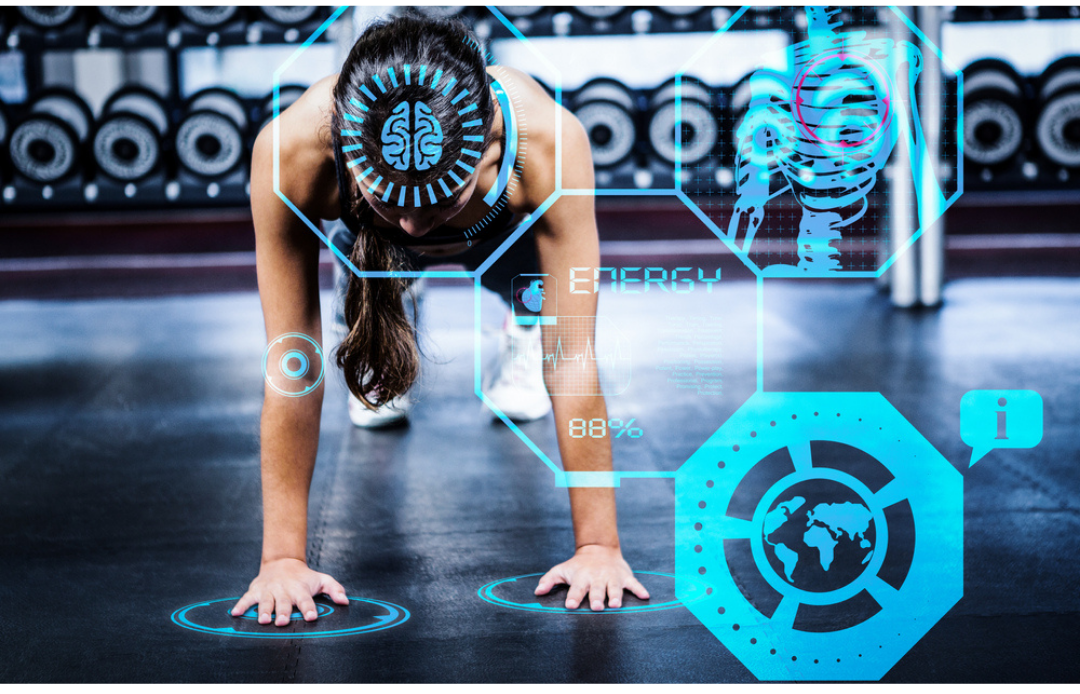
AI-powered fitness refers to the integration of artificial intelligence technology into various health and fitness applications to enhance user experiences and outcomes. This innovative approach leverages AI algorithms to analyze data, provide personalized recommendations, and optimize workout routines.
Artificial intelligence is revolutionizing the fitness industry by enabling more accurate tracking of physical activities, monitoring of vital signs, and customizing fitness plans based on individual goals and preferences. AI-powered fitness tools are designed to adapt to users' progress, offer real-time feedback, and motivate them to stay committed to their health and wellness journey.
Examples of AI-Powered Fitness Tools and Technologies
- Smart wearables such as fitness trackers and smartwatches equipped with AI algorithms to track activity levels, heart rate, and sleep patterns.
- AI-powered virtual trainers and workout apps that create personalized exercise programs tailored to users' fitness levels, goals, and schedules.
- Interactive fitness equipment like AI-powered treadmills or stationary bikes that adjust resistance levels and provide real-time performance data during workouts.
- Health monitoring platforms that use AI to analyze biometric data, detect patterns, and offer insights for improving overall health and well-being.
Benefits of AI in Fitness
AI in fitness offers a range of benefits that revolutionize the way individuals approach their health and wellness goals. From personalized routines to enhanced efficiency, AI is shaping the future of digital health.
Personalized Fitness Routines
AI algorithms have the ability to analyze vast amounts of data to create personalized fitness routines tailored to individual needs. By considering factors such as fitness level, goals, and preferences, AI can design workouts that optimize results and keep users motivated.
Enhanced Workout Efficiency and Effectiveness
Through real-time feedback and analysis, AI can help users make the most out of their workouts. By adjusting intensity levels, providing form corrections, and suggesting new exercises, AI ensures that every workout is efficient and effective in helping users reach their fitness goals.
Tracking and Analyzing Health Data
AI technology can track and analyze various health metrics, such as heart rate, sleep patterns, and nutrition intake, to provide valuable insights for better fitness outcomes. By monitoring progress and identifying trends, AI can help users make informed decisions to improve their overall health and wellness journey.
AI-Powered Fitness Apps
AI-powered fitness apps have revolutionized the way people approach their health and wellness goals. These apps utilize artificial intelligence to provide personalized workout plans, track progress, and offer real-time feedback to users.
Popular AI Fitness Apps
- Fitbit Coach: Fitbit Coach uses AI to create customized workout plans based on the user's fitness level and goals. It also provides audio coaching during workouts to keep users motivated.
- MyFitnessPal: MyFitnessPal combines AI technology with a vast food database to help users track their nutrition and calorie intake. The app also offers personalized meal plans and fitness tips.
- Freeletics: Freeletics uses AI algorithms to adapt workouts to the user's performance and provide targeted training sessions. The app also offers social features for users to connect and compete with each other.
Features of AI Fitness Apps
- Personalized Workout Plans: AI fitness apps analyze user data to create tailored workout routines that match individual goals and fitness levels.
- Real-Time Feedback: Users receive instant feedback on their form, performance, and progress during workouts to help them optimize their training sessions.
- Adaptive Training: AI algorithms adjust workout intensity and duration based on user feedback and performance, ensuring continuous improvement and preventing plateaus.
Wearable Technology and AI in Fitness
Wearable technology plays a crucial role in the realm of AI-powered fitness, revolutionizing how individuals track and improve their health and wellness. These devices, equipped with advanced sensors and AI algorithms, provide users with real-time data and personalized insights to enhance their fitness journey.
The Role of Wearable Devices in AI-Powered Fitness
Wearable devices such as smartwatches, fitness trackers, and heart rate monitors are instrumental in collecting essential data on various health metrics like heart rate, sleep patterns, steps taken, and calories burned. These devices leverage AI algorithms to analyze this data and generate valuable insights for users, helping them set and achieve fitness goals effectively.
- AI algorithms in wearables process data to provide personalized recommendations based on individual health and fitness profiles.
- These devices track progress over time and offer feedback to optimize workouts and improve overall performance.
- Wearable technology enables continuous monitoring of vital signs, ensuring users stay informed about their health status and make informed decisions.
Impact of Wearable Technology on Shaping Digital Health Lifestyles
The integration of wearable technology and AI in fitness has significantly influenced the way individuals approach their health and well-being. These devices have empowered users to take control of their fitness journey by offering personalized guidance and actionable insights.
- Wearable devices have increased motivation and engagement by providing real-time feedback and progress tracking.
- AI-powered wearables have enhanced the accuracy of health data monitoring, leading to more informed decision-making and better health outcomes.
- These devices have fostered a data-driven approach to fitness, enabling users to make evidence-based choices for their well-being.
Challenges and Limitations of AI in Fitness
AI technology has undoubtedly revolutionized the fitness industry, but it also comes with its fair share of challenges and limitations. These obstacles need to be addressed to ensure the effective and ethical use of AI in fitness applications.
Privacy Concerns Related to AI-Powered Fitness Technologies
Privacy is a major concern when it comes to AI-powered fitness technologies. These systems often collect and analyze personal data, such as biometric information and workout routines, to provide personalized recommendations. However, this data can be vulnerable to security breaches or misuse, raising questions about data protection and user consent.
Limitations of AI in Providing Personalized Fitness Recommendations
While AI algorithms can process vast amounts of data to generate insights and recommendations, they may still fall short in truly understanding individual preferences and nuances. Personalized fitness recommendations require a deep understanding of each user's unique goals, limitations, and motivations, which AI may struggle to accurately capture.
Additionally, the lack of human touch and empathy in AI-driven interactions can limit the effectiveness of personalized fitness guidance.
Future Trends in AI-Powered Fitness
AI technology continues to evolve rapidly, promising exciting advancements in the realm of digital health and fitness. As we look towards the future, it is evident that AI will play a significant role in transforming how we approach fitness and wellness.
Let's explore some of the upcoming trends in AI-powered fitness that are set to revolutionize the way we stay healthy and active.
Integration of AI with Virtual Reality (VR)
Virtual Reality (VR) is gaining popularity in the fitness industry, offering immersive and engaging experiences for users. When combined with AI technology, VR can take fitness to a whole new level by providing personalized workouts, real-time feedback, and interactive challenges.
Imagine being guided through a virtual workout by an AI-powered trainer who adjusts the intensity based on your performance and biometric data. This integration not only enhances the overall fitness experience but also makes workouts more enjoyable and effective.
AI-Powered Personalized Training Programs
One of the key future trends in AI-powered fitness is the development of personalized training programs tailored to individual goals, preferences, and abilities. AI algorithms can analyze vast amounts of data, including workout history, biometric information, and dietary habits, to create customized fitness plans that optimize results.
By leveraging machine learning and predictive analytics, AI can continuously adapt these programs to ensure maximum efficiency and effectiveness, ultimately helping users achieve their fitness goals faster and more efficiently.
Enhanced Wearable Devices with AI Capabilities
Wearable technology has already transformed the way we track our fitness activities, but the integration of AI capabilities will take it a step further. Future wearable devices will not only monitor basic metrics like heart rate and steps taken but also provide actionable insights and recommendations based on AI analysis.
From detecting early signs of fatigue to suggesting optimal rest intervals, AI-powered wearables will offer a comprehensive approach to fitness tracking and optimization, empowering users to make informed decisions about their health and well-being.
AI-Powered Nutritional Guidance
Nutrition plays a crucial role in overall fitness and well-being, and AI is poised to revolutionize how we approach dietary choices. Advanced AI algorithms can analyze dietary patterns, preferences, and nutritional needs to offer personalized meal plans and recommendations. By considering individual health goals, dietary restrictions, and food preferences, AI-powered nutritional guidance can help users make healthier choices and maintain a balanced diet that supports their fitness objectives.
Final Review
In conclusion, AI-Powered Fitness: The Future of Digital Health Lifestyles paints a picture of a future where our health journeys are guided by intelligent algorithms and cutting-edge technology, promising a revolution in how we approach fitness and well-being.
Commonly Asked Questions
How does AI personalize fitness routines?
AI algorithms analyze user data to create tailored workout plans based on individual goals and preferences.
What are some popular AI-powered fitness apps?
Examples include Fitbit, MyFitnessPal, and Freeletics, each offering unique AI-driven features for users.
What are the limitations of AI in providing fitness recommendations?
AI may struggle with nuanced personal factors that affect fitness, such as mental health or dietary restrictions, leading to less accurate recommendations.