Embark on a journey to explore the delicate balance between screen time and mental well-being in today's fast-paced world. Discover practical tips, mindful strategies, and the importance of setting boundaries to maintain a healthy digital lifestyle.
Understanding the Impact of Screen Time on Mental Wellness
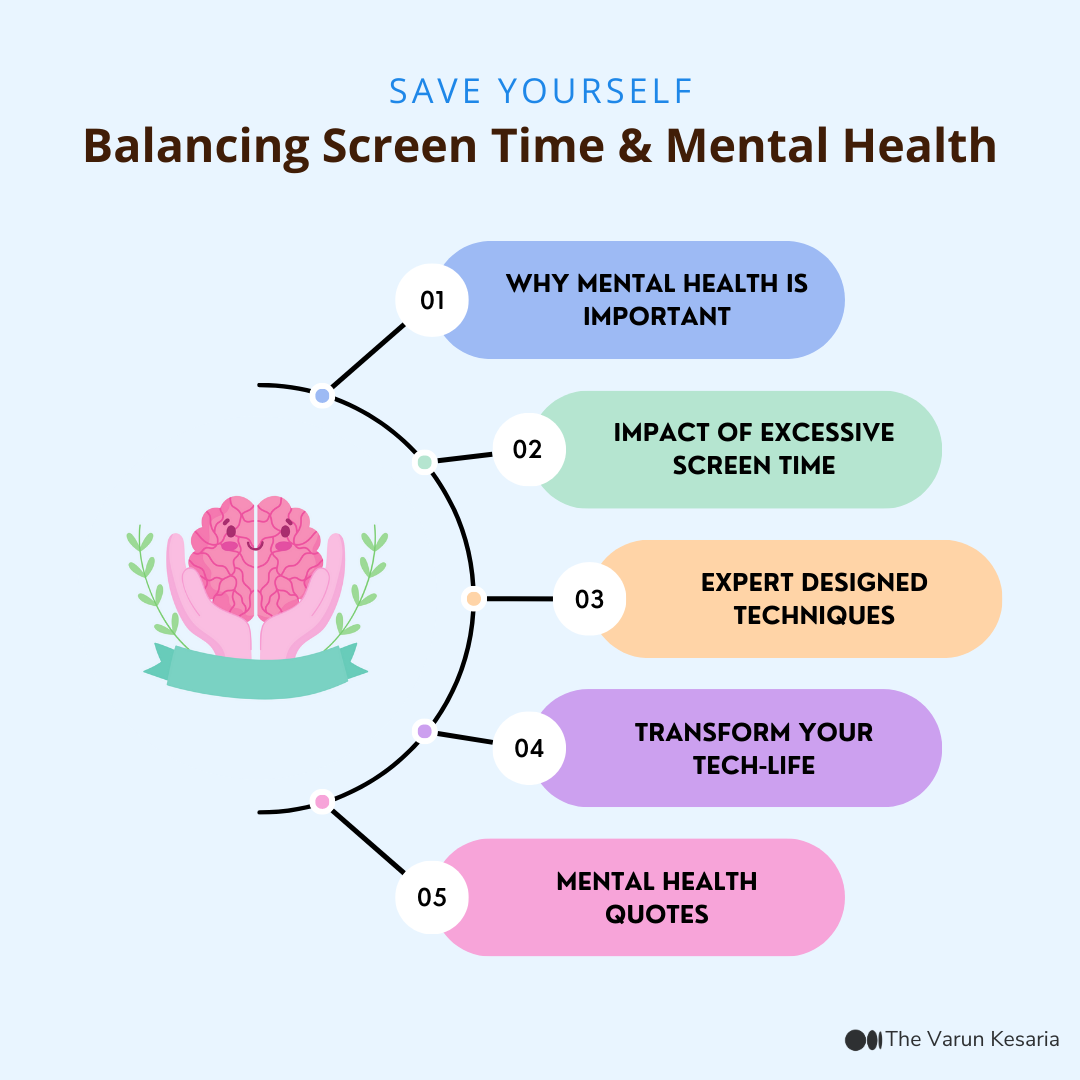
Excessive screen time has been linked to various negative impacts on mental health. Constant exposure to screens, whether through smartphones, computers, or televisions, can lead to increased levels of anxiety and depression in individuals. The addictive nature of screen time can disrupt sleep patterns, reduce physical activity, and negatively affect overall well-being.
Effects on Cognitive Functions
Studies have shown that excessive screen time can impair cognitive functions such as memory, attention span, and decision-making abilities. The constant multitasking and information overload from screens can overwhelm the brain, leading to decreased cognitive performance over time. This can impact academic or work performance and overall productivity.
Relationship with Anxiety and Depression
The use of screens, especially social media platforms, has been associated with higher levels of anxiety and depression. The constant comparison to curated and often unrealistic representations of others' lives on social media can contribute to feelings of inadequacy and low self-esteem.
This can lead to a decline in mental health and overall well-being.
Physical Health Implications
In addition to mental health effects, excessive screen time can also have physical health implications. Prolonged screen exposure can lead to eye strain, headaches, and poor posture. The sedentary behavior associated with excessive screen time can contribute to weight gain, muscle stiffness, and other health issues.
Strategies for Balancing Screen Time and Mental Wellbeing
In today's digital age, it is crucial to find a balance between screen time and mental wellness. Excessive screen time can have negative effects on our mental health, so it's essential to implement strategies to reduce our digital consumption and prioritize our well-being.
Practical Tips for Reducing Screen Time
- Set specific time limits for screen usage each day and stick to them.
- Use apps or tools that track your screen time and provide reminders when you've exceeded your limits.
- Designate screen-free zones in your home, such as the bedroom or dining area.
- Engage in activities that don't involve screens, such as reading a book, going for a walk, or practicing mindfulness.
The Importance of Setting Boundaries
Setting boundaries for screen time usage is essential for maintaining a healthy balance. It helps prevent the negative impact of excessive screen time on our mental well-being and allows us to focus on other aspects of our lives.
Incorporating Digital Detox Practices
- Schedule regular digital detox days where you disconnect from all screens and focus on activities that promote relaxation and mental rejuvenation.
- Practice mindfulness techniques, such as meditation or deep breathing exercises, to reduce stress and anxiety caused by constant screen exposure.
- Engage in hobbies or interests that do not involve screens, such as painting, gardening, or cooking, to give your mind a break from technology.
Promoting Mindful Technology Use
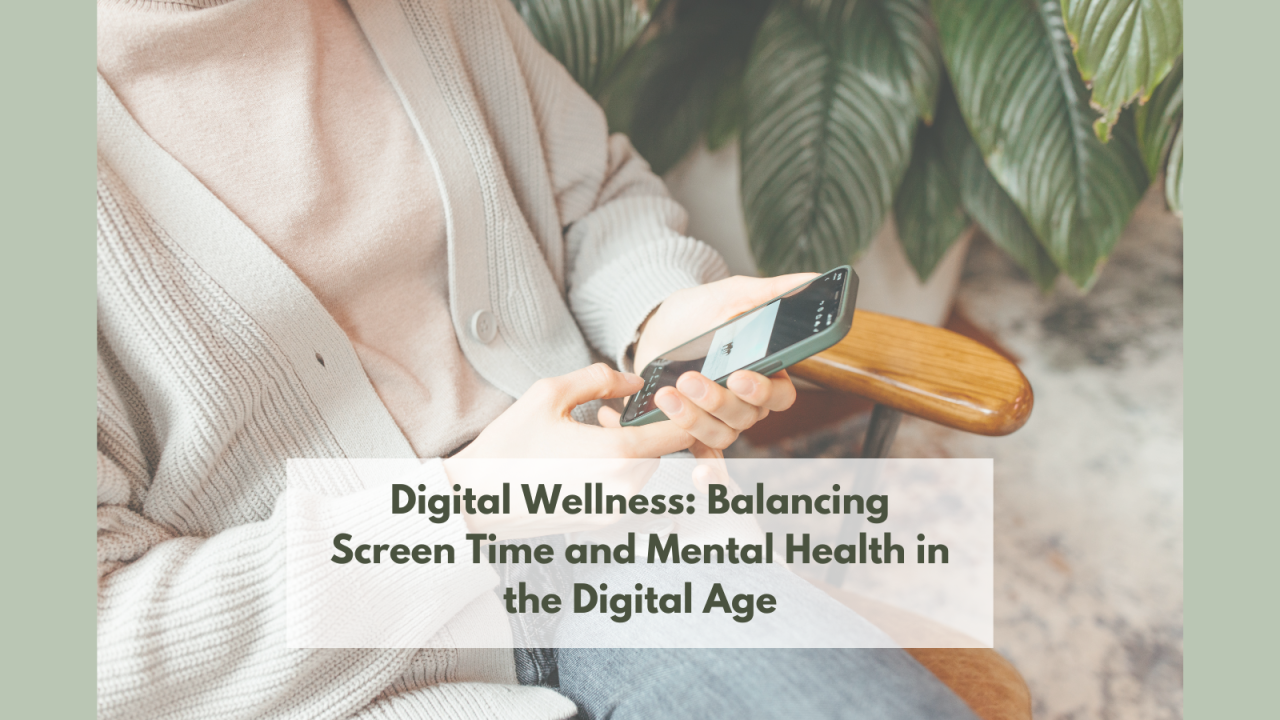
In today's digital age, promoting mindful technology use is essential for maintaining mental wellness amidst the constant presence of screens in our daily lives.Mindful technology use involves being conscious and intentional about how we interact with technology, ensuring that it enhances our well-being rather than detracts from it.
By practicing mindfulness while using screens, individuals can reduce the negative impact of excessive screen time on their mental health.
Examples of Mindfulness Techniques
- Set specific time limits for screen usage and take regular breaks to rest your eyes and mind.
- Practice deep breathing exercises or meditation before and after using screens to center yourself and reduce stress.
- Engage in mindful scrolling by paying attention to your thoughts and emotions as you browse social media or websites.
- Practice gratitude by reflecting on the positive aspects of technology and how it enhances your life.
Role of Mindfulness in Enhancing Mental Wellness
Mindfulness plays a crucial role in enhancing mental wellness in the digital age by helping individuals cultivate self-awareness, emotional regulation, and present moment awareness. By practicing mindfulness while using technology, individuals can reduce feelings of anxiety, overwhelm, and distraction that often accompany excessive screen time.
This, in turn, promotes a healthier relationship with technology and supports overall mental well-being.
Creating a Healthy Digital Lifestyle
Living a healthy digital lifestyle involves finding a balance between technology use and activities that promote mental and physical wellbeing. It is essential to prioritize habits that reduce screen time dependency and foster a more holistic approach to life.
The Components of a Healthy Digital Lifestyle
- Setting boundaries for screen time: Establishing limits on the amount of time spent on devices can help prevent overuse and addiction.
- Engaging in physical activities: Regular exercise and outdoor activities can counteract the sedentary nature of screen time and promote overall health.
- Cultivating offline hobbies: Pursuing interests that do not involve screens, such as painting, gardening, or reading, can provide a much-needed break from technology.
- Practicing mindfulness: Incorporating mindfulness techniques, such as meditation or yoga, can help reduce stress and improve mental clarity.
Strategies for Creating a Balanced Tech-Life Integration
- Implementing tech-free zones: Designating areas in the home where devices are not allowed can encourage more face-to-face interactions and reduce reliance on screens.
- Establishing a digital detox routine: Taking regular breaks from screens, such as during meals or before bedtime, can help reset your relationship with technology.
- Setting specific tech-use goals: Creating achievable objectives for reducing screen time gradually can lead to a more sustainable and balanced tech-life integration.
The Significance of Hobbies and Activities that Reduce Screen Time Dependency
- Enhancing creativity and mental stimulation: Engaging in offline hobbies can spark creativity and provide a mental break from the constant stimulation of screens.
- Promoting social connections: Participating in activities that do not involve screens can foster deeper connections with others and improve social skills.
- Improving overall well-being: Spending time on hobbies that reduce screen time dependency can lead to better mental health, increased satisfaction, and a sense of fulfillment.
Final Thoughts
As we conclude our discussion on Balancing Screen Time and Mental Wellness in Modern Lifestyles, remember that small changes in your tech habits can lead to significant improvements in your mental health. Embrace a healthier relationship with screens and prioritize your well-being in this digital age.
Popular Questions
How does excessive screen time impact mental health?
Excessive screen time can lead to issues like eye strain, poor sleep quality, increased stress, and decreased social interaction, all of which can negatively affect mental well-being.
What are some practical tips for reducing screen time?
Try setting specific time limits for screen use, engaging in offline activities, creating tech-free zones in your home, and using apps to track and manage your screen time.
Why is mindful technology use important for mental wellness?
Mindful technology use promotes awareness and intentionality in your digital interactions, helping to reduce distractions, improve focus, and enhance overall well-being.
How can hobbies and activities reduce screen time dependency?
Engaging in hobbies and activities that you enjoy can provide alternative sources of entertainment and relaxation, reducing the time spent on screens and promoting a more balanced lifestyle.