Cyber Wellness: Digital Lifestyle Safety for Families sets the stage for this enthralling narrative, offering readers a glimpse into a story that is rich in detail and brimming with originality. The digital age brings both opportunities and risks, especially for families navigating the online world.
This title encapsulates the essence of safeguarding digital lifestyles and promoting online safety within family dynamics.
Introduction to Cyber Wellness
Cyber Wellness refers to the practice of ensuring one's well-being in the digital world by being aware of the risks and dangers associated with online activities. In today's digital age, where technology is an integral part of our lives, it is crucial for individuals, especially families, to prioritize their safety and security while using the internet.
Importance of Cyber Wellness for Families
In the context of families, Cyber Wellness extends to the concept of Digital Lifestyle Safety, which focuses on safeguarding the online experiences of family members, particularly children and older adults. It involves educating them about the potential threats they may encounter online and empowering them to make informed decisions to protect themselves.
- Teaching children about safe internet practices, such as not sharing personal information with strangers or engaging in cyberbullying, can help prevent them from falling victim to online predators or harmful content.
- For older adults, who may be less familiar with the digital landscape, learning about common scams and how to identify them can prevent them from becoming targets of online fraud.
- By promoting a culture of open communication within the family, members can feel comfortable discussing any concerns or incidents they encounter online, fostering a supportive and safe online environment.
According to a recent study by [reputable organization], over 60% of families have experienced some form of online safety issue, highlighting the importance of implementing Cyber Wellness practices within households.
Risks and Threats in the Digital Space
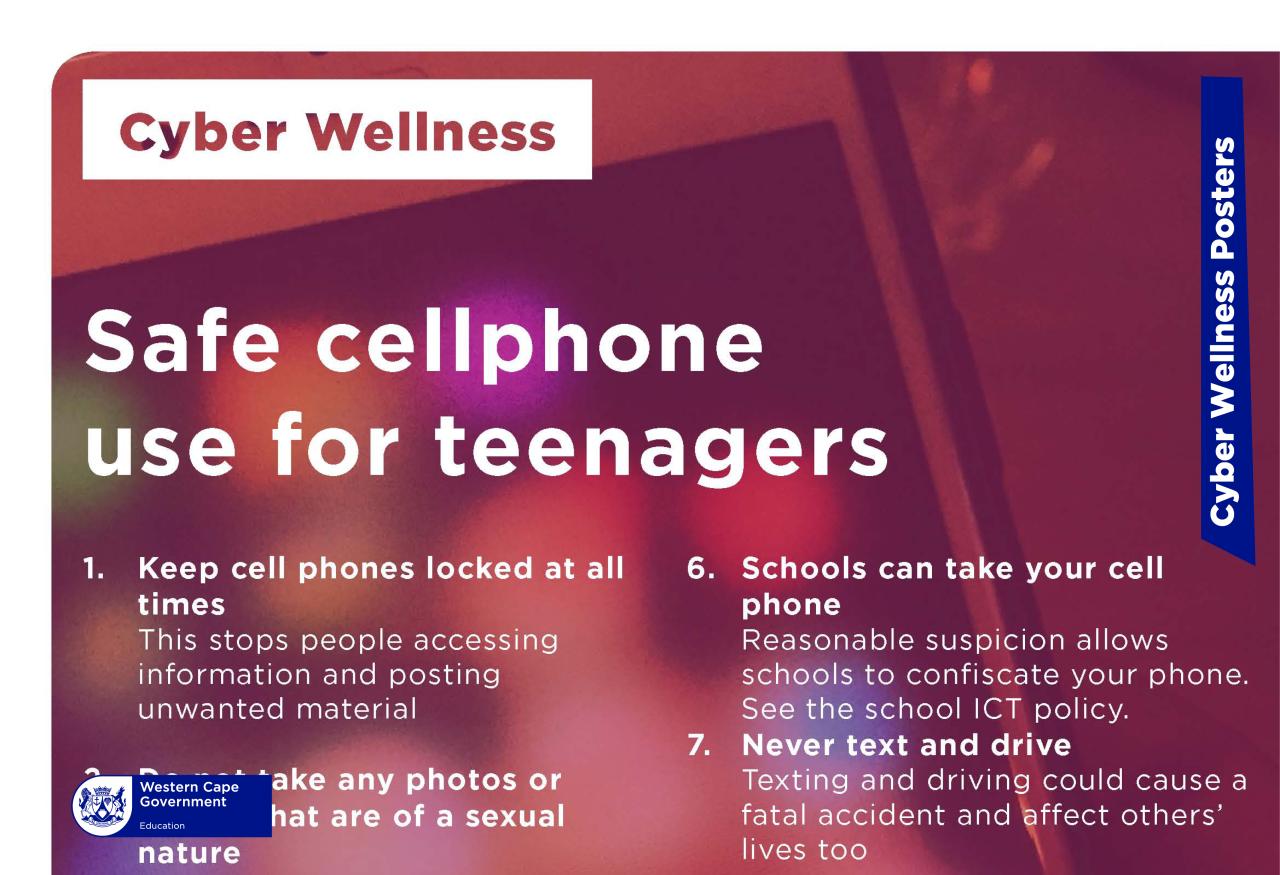
In today's digital age, families face various risks and threats that can compromise their online safety and security. It is essential to be aware of common cyber threats to protect your loved ones from potential harm.
Common Cyber Threats
- Malware: Malicious software designed to disrupt, damage, or gain unauthorized access to computer systems.
- Phishing: Scammers attempt to trick individuals into providing sensitive information by posing as a trustworthy entity.
- Ransomware: Cybercriminals encrypt files on a device and demand payment for their release.
- Cyberbullying: Harassment, threats, or humiliation using digital communication platforms.
Risks Associated with Children’s Online Activities
- Exposure to inappropriate content: Children may come across harmful or age-inappropriate material while browsing the internet.
- Online predators: Individuals with malicious intent may pose as children to establish relationships with minors for exploitation.
- Cyber addiction: Excessive screen time and internet use can lead to addiction and have negative impacts on mental and physical health.
Cyber-Attacks Targeting Family Members
- Identity Theft: Hackers steal personal information to impersonate family members or commit fraud.
- Home Network Breaches: Cybercriminals may infiltrate home networks to access sensitive data or spy on family members.
- Social Engineering Attacks: Scammers manipulate individuals, including family members, to divulge confidential information or perform actions that compromise security.
Strategies for Ensuring Cyber Wellness
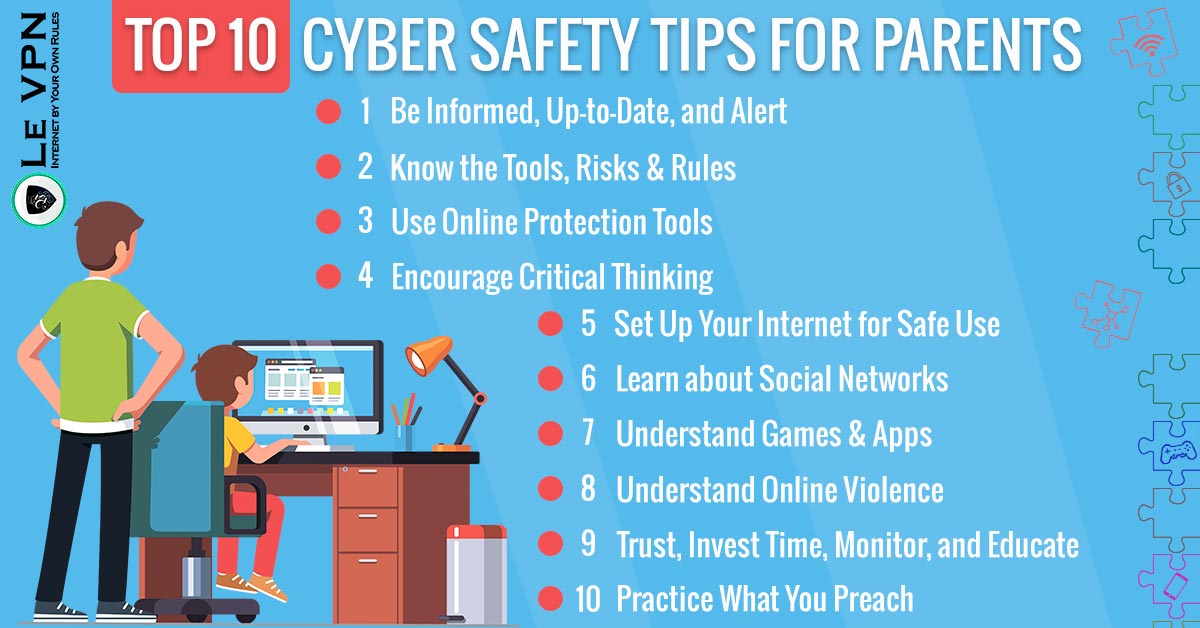
Ensuring cyber wellness for families involves implementing proactive measures to promote online safety and responsible digital habits. Parents play a crucial role in educating their children about the potential risks and threats in the digital space.
Best Practices for Parents to Educate Their Children About Online Safety
- Open Communication: Encourage open and honest conversations about online activities and potential dangers.
- Setting Boundaries: Establish clear rules regarding screen time, sharing personal information, and interacting with strangers online.
- Teach Critical Thinking: Help children develop critical thinking skills to evaluate online content and identify misinformation.
- Lead by Example: Serve as a positive role model by demonstrating responsible digital behavior and healthy tech habits.
Role of Parental Control Tools in Safeguarding Digital Lifestyles
- Filtering Content: Utilize parental control tools to block inappropriate websites and content that may be harmful to children.
- Monitoring Activities: Keep track of your child's online activities and set restrictions to prevent access to certain apps or websites.
- Time Management: Manage screen time effectively by setting limits and schedules for device usage.
Creating a Secure Online Environment at Home
- Secure Networks: Ensure your home Wi-Fi network is secure with a strong password and encryption.
- Update Software: Regularly update devices, apps, and security software to protect against vulnerabilities and cyber threats.
- Privacy Settings: Review and adjust privacy settings on social media accounts and devices to control who can access personal information.
Balancing Screen Time and Offline Activities
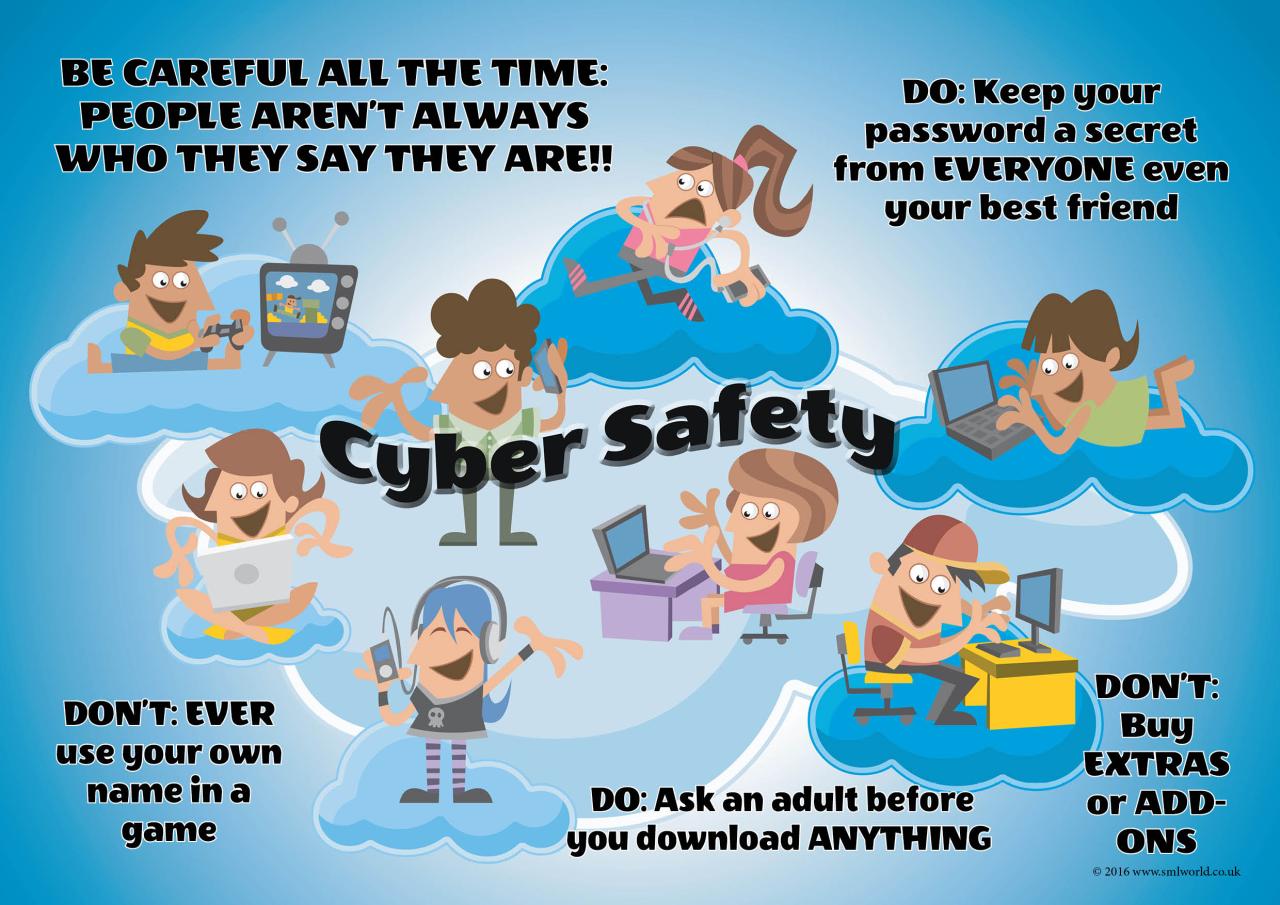
It is essential to find a balance between screen time and offline activities to maintain healthy family relationships and overall well-being.
Impact of Excessive Screen Time on Family Relationships
Excessive screen time can lead to decreased communication and bonding among family members. It may result in a lack of quality time spent together, affecting the dynamics and connection within the family unit.
Suggestions to Encourage a Healthy Balance
- Set designated screen-free times or zones in the house to promote interaction without digital distractions.
- Encourage outdoor activities such as hiking, biking, or picnics to engage in physical and social interactions.
- Plan regular family game nights or movie nights to create opportunities for shared experiences and conversations.
- Involve children in household chores or DIY projects to foster teamwork and collaboration offline.
Examples of Engaging Offline Activities
Engaging in offline activities can strengthen family bonds and create lasting memories.
| 1. Cooking or baking together | 2. Gardening or planting a family garden |
| 3. Arts and crafts sessions | 4. Visiting local museums or cultural sites |
Building Trust and Communication
In the digital age, fostering trust and maintaining open communication between parents and children is crucial for ensuring cyber wellness and safety.
Importance of Open Communication
- Encourage your children to share their online experiences with you without fear of judgment.
- Listen actively to their concerns and address any issues they may encounter while navigating the digital world.
- Create a safe space where your children feel comfortable discussing their online activities and seeking guidance.
Tips for Fostering Trust
- Establish clear expectations and rules for online behavior, and explain the reasons behind them.
- Regularly check in with your children about their online interactions and offer guidance on how to handle challenging situations.
- Lead by example by practicing good digital habits yourself and demonstrating responsible online behavior.
Setting Boundaries and Respecting Privacy
- Discuss and agree on boundaries regarding screen time, online content, and sharing personal information online.
- Respect your children's privacy while also emphasizing the importance of transparency and open communication.
- Monitor their online activities in a supportive and non-intrusive manner, focusing on guidance and education rather than control.
Conclusion
As we conclude this discussion on Cyber Wellness: Digital Lifestyle Safety for Families, it becomes evident that proactive measures and open communication are crucial in today's digital landscape. By implementing the strategies and insights shared, families can create a secure online environment while fostering trust and healthy relationships.
Embracing a balanced approach to screen time and offline activities is key to nurturing well-rounded digital citizens within the family unit.
Essential Questionnaire
What are some common cyber threats that families may encounter?
Common cyber threats include phishing scams, malware attacks, and identity theft, which can pose risks to family members' online security.
How can parents educate their children about online safety?
Parents can educate their children by setting clear guidelines, discussing potential risks, and monitoring online activities to ensure safe digital practices.
Why is open communication important in maintaining Cyber Wellness for families?
Open communication fosters trust, allows for discussions about online experiences, and enables parents to guide their children in navigating the digital landscape responsibly.