Embark on a journey towards better health with Data-Driven Lifestyle Decisions for Personal Health Goals. Dive into a world where data shapes your choices, leading to a healthier and more informed lifestyle.
Learn how data influences decisions, discover the benefits of this approach, and explore strategies to implement data-driven choices for optimal well-being.
Understanding Data-Driven Lifestyle Decisions
When it comes to making lifestyle choices for better health, data-driven decisions involve using information and insights gathered from various sources to guide your actions.
Definition of Data-Driven Lifestyle Decisions
Data-driven lifestyle decisions refer to the practice of utilizing data, such as personal health metrics, activity levels, nutritional information, and other relevant data points, to make informed choices that positively impact your health and well-being.
How Data Influences Personal Health Choices
- Tracking your daily steps, heart rate, and sleep patterns through wearable devices can help you understand your activity levels and make adjustments to improve your overall fitness.
- Monitoring your food intake and nutritional content using apps or journals can provide insights into your diet and allow you to make healthier food choices.
- Regularly checking your weight, body measurements, and other health markers can help you set goals and track progress towards achieving them.
Examples of Data Sources for Lifestyle Decisions
- Wearable Devices:Fitness trackers, smartwatches, and health apps that collect data on your physical activity, heart rate, sleep quality, and more.
- Nutritional Apps:Apps that help you track your food intake, count calories, monitor macronutrients, and provide nutritional information for better meal planning.
- Health Records:Medical records, lab results, and health assessments that offer valuable insights into your overall health status and guide you in making proactive health decisions.
Benefits of Data-Driven Approach
Using data to make health-related decisions offers numerous advantages. By leveraging data, individuals can gain valuable insights into their health status, identify trends, and track progress towards their goals. This approach enables informed decision-making based on concrete evidence rather than guesswork or intuition.
Improved Decision-Making
- Data-driven decisions in personal health goals can lead to better outcomes by providing a clear roadmap for individuals to follow. With access to accurate data on their diet, exercise, and overall health metrics, individuals can make informed choices that align with their objectives.
- Tracking progress through data analysis allows individuals to identify areas of improvement and make necessary adjustments to their lifestyle habits. This proactive approach can prevent setbacks and ensure steady progress towards achieving health goals.
- Moreover, data-driven decisions can help individuals prioritize their health needs and focus on strategies that have proven to be effective. This targeted approach maximizes the impact of lifestyle changes and increases the likelihood of success.
Success Stories
- One success story involves a person who used a fitness tracker to monitor their daily activity levels and sleep patterns. By analyzing the data collected over time, they were able to identify patterns that were hindering their progress towards weight loss.
With this insight, they adjusted their workout routine and sleep schedule, leading to significant improvements in their overall health.
- Another individual benefited from tracking their food intake using a nutrition app. By inputting their meals and monitoring nutritional values, they discovered deficiencies in their diet and made targeted changes to improve their nutrient intake. This data-driven approach resulted in increased energy levels and better overall well-being.
- Overall, these success stories highlight the power of data-driven lifestyle decisions in helping individuals achieve their personal health goals. By harnessing the insights provided by data, individuals can make informed choices that lead to positive outcomes and long-term wellness.
Implementing Data-Driven Strategies
When it comes to incorporating data into your daily health decisions, there are a few key steps you can follow to ensure success. By setting achievable health goals based on data analysis and prioritizing accuracy and reliability, you can make informed choices that lead to positive outcomes for your well-being.
Starting to Incorporate Data
One of the first steps in implementing data-driven strategies for personal health goals is to track relevant data points consistently. This could include monitoring your daily food intake, exercise routines, sleep patterns, and other relevant health metrics. By using apps or wearable devices, you can easily collect and analyze this data to gain insights into your habits and behaviors.
Setting Achievable Health Goals
- Utilize the data you have collected to set specific, measurable, achievable, relevant, and time-bound (SMART) health goals. For example, if your data shows that you are not getting enough sleep, you could set a goal to increase your nightly rest by 30 minutes within the next month.
- Break down larger goals into smaller milestones to track your progress and stay motivated. Celebrate each achievement, no matter how small, to maintain a positive mindset and momentum towards your ultimate health objectives.
- Regularly review and adjust your goals based on new data insights. Your health needs may change over time, so it's crucial to adapt your goals accordingly to ensure continued progress.
Importance of Data Accuracy and Reliability
Ensuring that the data you collect is accurate and reliable is essential for making well-informed decisions about your health. Inaccurate data can lead to incorrect conclusions and potentially harmful actions. To maintain data accuracy, make sure to calibrate your devices, double-check entries, and verify sources of information.
By prioritizing data quality, you can trust the insights gained from your analysis and make confident choices for your well-being.
Tools and Technologies for Data-Driven Health
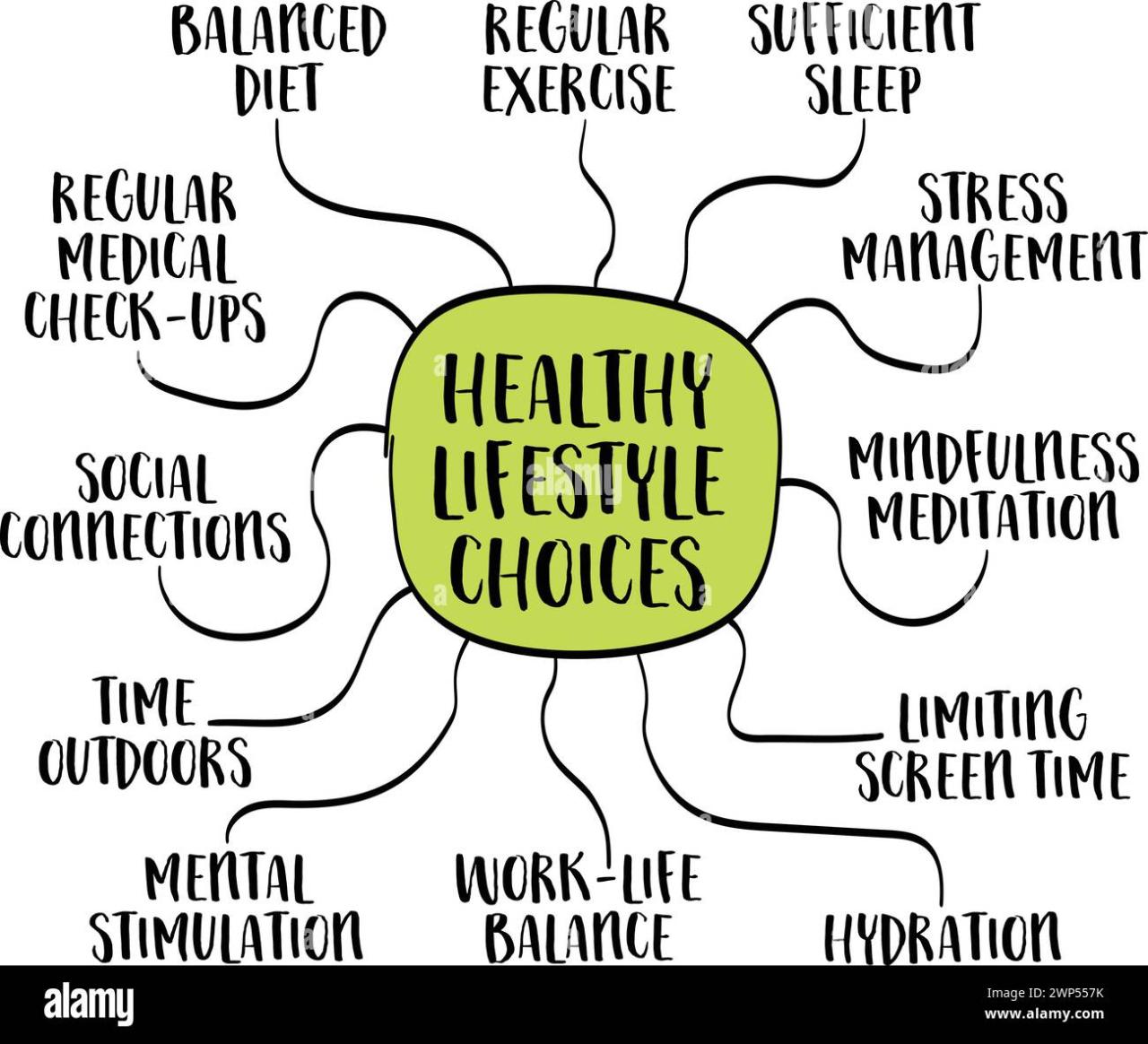
In the realm of data-driven health decisions, utilizing the right tools and technologies is crucial for effectively monitoring and managing personal health metrics. From apps to wearable devices, there are various options available to help individuals make informed lifestyle choices based on data.
Popular Platforms for Monitoring Personal Health Metrics
When it comes to monitoring personal health metrics, there are several popular platforms that individuals can use to track their progress and make data-driven decisions. Some of the leading platforms include:
- Fitbit: Known for its activity tracking features, Fitbit offers users the ability to monitor their exercise, sleep, and nutrition data to help them achieve their health goals.
- Apple Health: Integrated into Apple devices, Apple Health allows users to consolidate all their health data in one place, providing a comprehensive overview of their overall well-being.
- MyFitnessPal: A popular app for tracking food intake and exercise, MyFitnessPal helps users stay accountable and make healthier choices based on their dietary habits.
Role of Wearable Technology in Enabling Data-Driven Lifestyle Choices
Wearable technology plays a significant role in enabling data-driven lifestyle choices by providing real-time feedback on various health metrics. These devices can track everything from heart rate and sleep patterns to activity levels and stress levels, empowering individuals to make informed decisions about their health and well-being.
Overcoming Challenges in Data-Driven Decision Making
When it comes to making data-driven decisions for personal health goals, there are several challenges that individuals may encounter. These obstacles can range from difficulties in interpreting health data to concerns about privacy and data security.
Interpreting Health Data
One common challenge in data-driven decision making is the interpretation of health data. Not everyone is equipped with the knowledge or skills to analyze complex data sets and understand the implications for their health. To address this challenge, individuals can consider seeking guidance from healthcare professionals or using user-friendly data visualization tools that simplify the information for better understanding.
Privacy Concerns
Another significant challenge is the privacy concerns related to sharing personal health information for data analysis. Many individuals are wary of sharing sensitive data, fearing potential breaches or misuse of their information. To mitigate these concerns, it is essential to use secure platforms and tools that prioritize data encryption and protection.
Additionally, individuals should carefully review privacy policies and only share data with trusted sources.
Final Thoughts
In conclusion, Data-Driven Lifestyle Decisions for Personal Health Goals empowers individuals to take control of their well-being through informed choices. By leveraging data, one can achieve their health goals with precision and efficiency, paving the way for a healthier future.
FAQ Summary
How can data influence personal health choices?
Data can provide insights into our habits, patterns, and overall health status, allowing us to make informed decisions for a healthier lifestyle.
What are some common obstacles faced in data-driven decision making?
Challenges may include data accuracy issues, interpreting complex data sets, and ensuring the privacy and security of personal health information.
Why is it important to consider data accuracy in decision-making?
Accurate data ensures that the decisions made based on the information are reliable and effective in achieving personal health goals.