Exploring the impact of digital tools on holistic health routines, this introduction sets the stage for a comprehensive discussion. It delves into the various ways in which technology can revolutionize our approach to overall well-being, offering a fresh perspective on integrating digital solutions into our daily health practices.
The following paragraphs will delve deeper into specific aspects of how digital tools can enhance holistic health routines, providing valuable insights and practical tips for readers seeking to optimize their health journey.
Benefits of Digital Tools in Holistic Health Routines
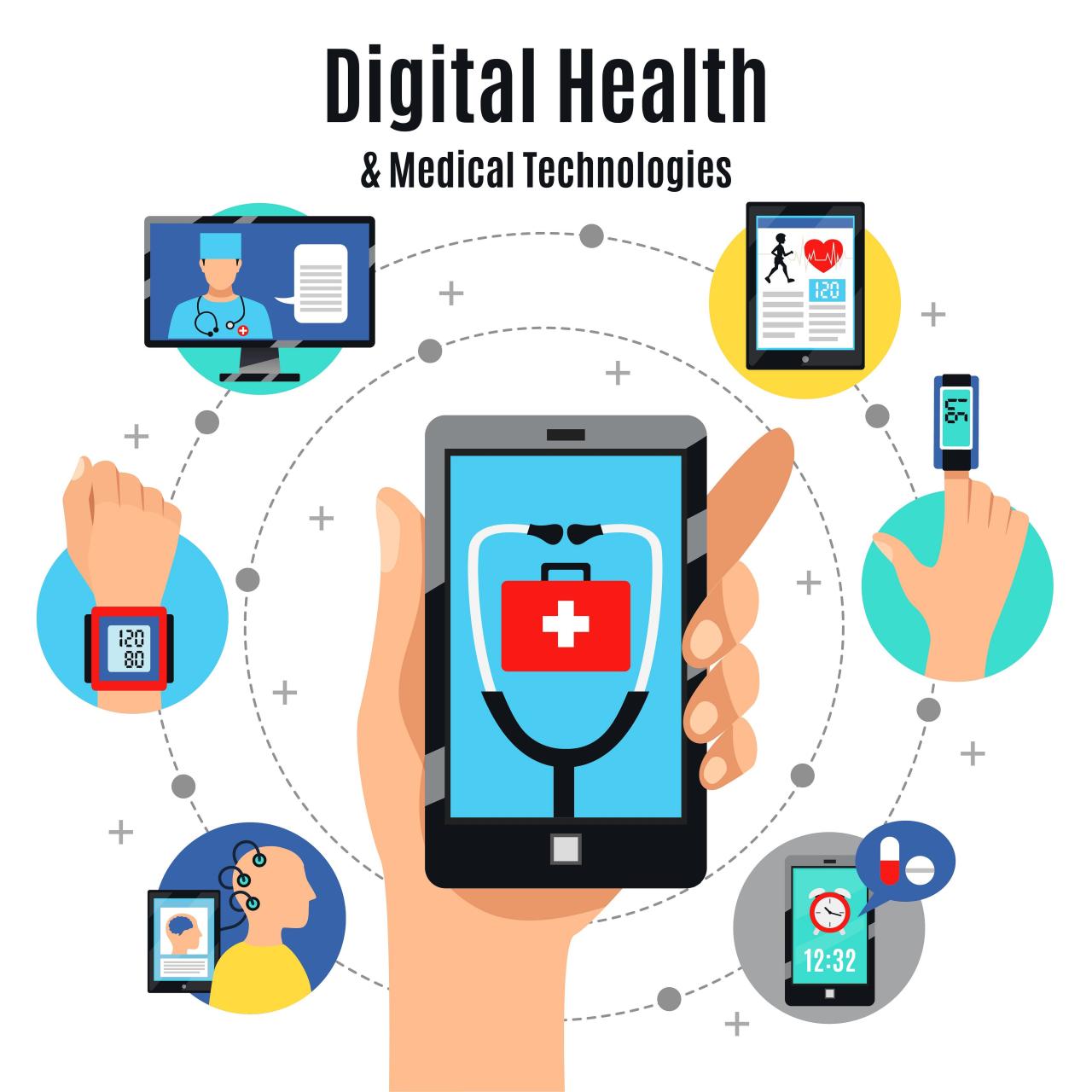
Digital tools play a crucial role in enhancing holistic health routines by providing individuals with the ability to track and monitor various health metrics, promote mindfulness and stress reduction, as well as improve sleep quality through monitoring and analysis.
Tracking and Monitoring Health Metrics
- Digital tools such as fitness trackers and health apps enable users to monitor their physical activity, heart rate, calories burned, and even sleep patterns.
- By keeping track of these metrics, individuals can gain insights into their overall health and make informed decisions to improve their well-being.
- Regular monitoring can help identify patterns or areas that need attention, leading to better health outcomes and preventive measures.
Apps and Devices for Mindfulness and Stress Reduction
- There are various mindfulness apps like Headspace, Calm, and Insight Timer that offer guided meditation sessions, breathing exercises, and stress-relief techniques.
- These tools help individuals manage stress, anxiety, and improve mental well-being by promoting relaxation and mindfulness practices.
- By incorporating these apps into daily routines, users can enhance their emotional resilience and cope better with the challenges of modern life.
Improving Sleep Quality through Monitoring and Analysis
- Sleep tracking devices like smartwatches and sleep apps can monitor sleep duration, quality, and analyze sleep patterns to provide personalized insights.
- Understanding one's sleep patterns can help identify factors affecting sleep quality, such as sleep disturbances, irregular sleep schedules, or environmental factors.
- By leveraging digital tools for sleep improvement, individuals can establish healthy bedtime routines, optimize sleep environments, and make lifestyle adjustments for better sleep hygiene.
Integrating Digital Tools for Physical Fitness
In today's fast-paced world, incorporating digital tools into our physical fitness routines can greatly enhance our overall well-being. From wearable technology to fitness apps, these tools play a crucial role in helping us stay motivated, track our progress, and achieve our fitness goals.
Wearable Technology for Enhanced Workout Routines
Wearable technology such as fitness trackers and smartwatches have revolutionized the way we approach exercise. These devices can monitor our heart rate, track the number of steps taken, calories burned, and even analyze the quality of our sleep. By providing real-time data, wearable technology allows us to make informed decisions about our workouts and adjust our routines for optimal results.
Role of Fitness Apps in Personalized Exercise Plans
Fitness apps have become increasingly popular for creating personalized exercise plans tailored to individual needs and goals. These apps often offer a variety of workouts, ranging from cardio and strength training to yoga and meditation. Users can input their preferences, fitness level, and desired outcomes to receive customized recommendations that align with their objectives.
Additionally, many apps come with features like progress tracking, workout reminders, and social sharing to keep users motivated and accountable.
Importance of Digital Tools in Tracking Progress and Setting Fitness Goals
One of the key benefits of digital tools in physical fitness is the ability to track progress and set achievable goals. By recording workout sessions, monitoring changes in weight or body measurements, and analyzing performance metrics, individuals can gain valuable insights into their fitness journey.
Setting specific, measurable, attainable, relevant, and time-bound (SMART) goals with the help of digital tools can keep users focused, motivated, and on track towards achieving their desired outcomes.
Mental Health Support Through Digital Platforms
Digital tools have revolutionized the way we approach mental health support, providing convenient and accessible resources for individuals seeking therapy, counseling, and overall mental wellness. Let's explore how these platforms enhance our mental health routines.
Therapy and Counseling Apps
- Apps like Talkspace and BetterHelp offer online therapy sessions with licensed professionals, providing a safe and confidential space for individuals to seek support.
- Platforms like 7 Cups provide free emotional support and counseling through trained listeners and therapists, catering to a wide range of mental health needs.
Promoting Mental Wellness Through Meditation and Relaxation Techniques
- Apps like Calm and Headspace offer guided meditation sessions, breathing exercises, and mindfulness practices to reduce stress, anxiety, and improve overall mental well-being.
- Platforms like Insight Timer provide a library of meditations, music, and sleep stories to promote relaxation and better sleep quality, enhancing mental health outcomes.
Benefits of Mood Tracking and Emotional Support
- Digital platforms like Moodpath and Daylio allow users to track their mood, emotions, and daily activities, providing valuable insights into behavioral patterns and mental health triggers.
- Apps like Sanvello offer mood tracking features along with coping tools, peer support groups, and resources for managing stress, anxiety, and depression, fostering a sense of community and emotional support.
Nutrition Tracking and Meal Planning with Digital Aids
In today's fast-paced world, keeping track of our daily food intake and ensuring we meet our nutritional needs can be challenging. Fortunately, digital tools such as apps have made it easier to monitor our diet and plan meals effectively.
Apps for Nutrition Tracking
- There are a variety of apps available that allow users to log their meals, snacks, and beverages throughout the day.
- These apps often provide nutritional information for each food item, helping users understand their calorie intake, macronutrient distribution, and micronutrient levels.
- Some apps even offer features like barcode scanning to quickly input food items or personalized recommendations based on dietary goals.
Meal Planning Tools for Dietary Requirements
- Meal planning tools take into account specific dietary needs, such as gluten-free, vegetarian, vegan, or low-carb diets.
- Users can input their preferences and restrictions, and the tools generate meal plans and recipes that align with their nutritional requirements.
- These tools can also help users balance their meals, ensuring they get a variety of nutrients and stay on track with their health goals.
Promoting Healthier Eating Habits
- Digital tools play a crucial role in promoting healthier eating habits by increasing awareness of nutritional content and portion sizes.
- By tracking their food intake, users can identify patterns, make adjustments, and work towards a more balanced diet.
- Meal planning tools encourage mindful eating and help individuals make better choices when it comes to meal preparation and consumption.
Ending Remarks
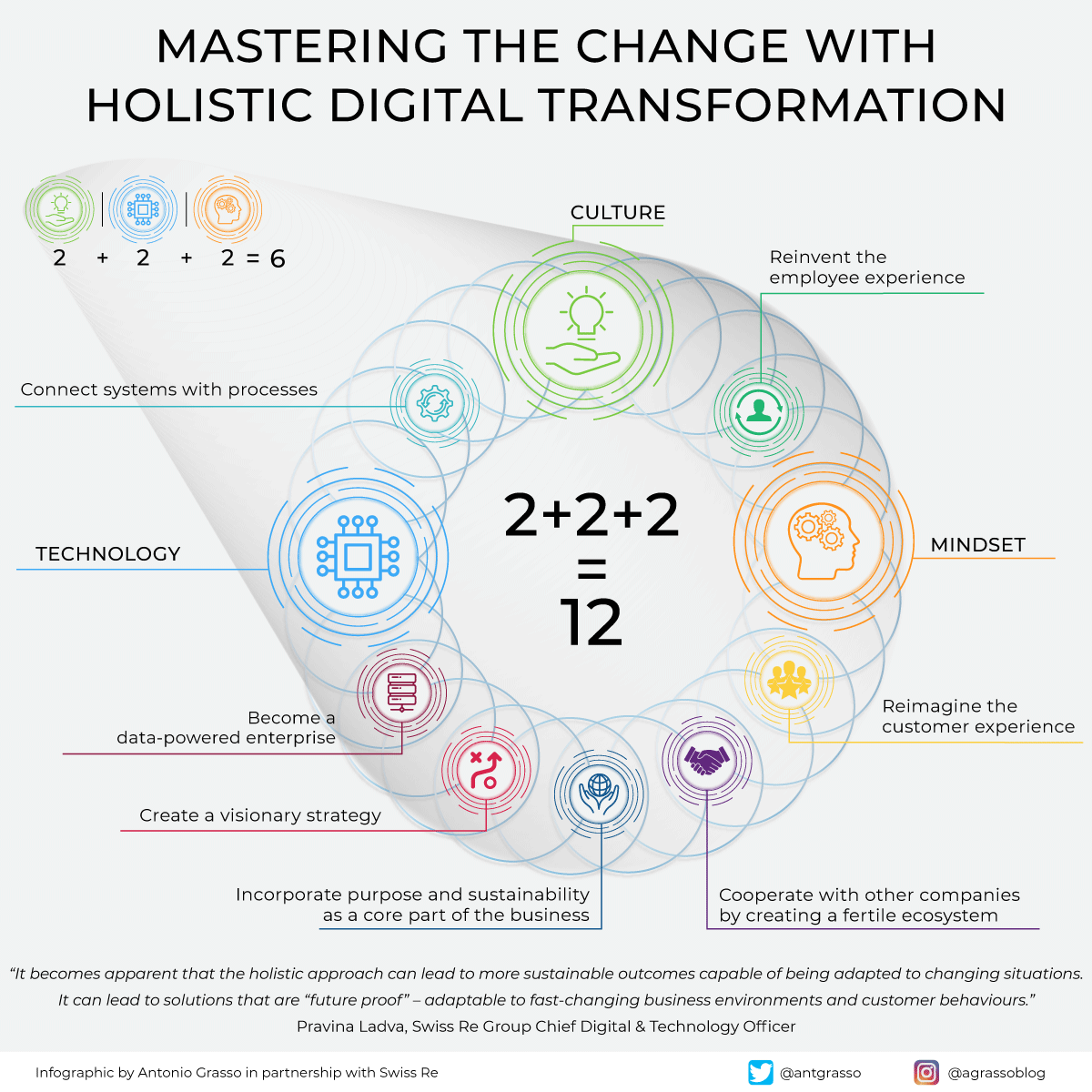
In conclusion, the discussion on how digital tools can enhance holistic health routines highlights the transformative potential of technology in promoting well-rounded wellness. By leveraging digital tools effectively, individuals can take proactive steps towards achieving a balanced and healthy lifestyle.
User Queries
How can digital tools help in tracking health metrics?
Digital tools offer the ability to monitor various health parameters such as heart rate, activity levels, and sleep patterns, providing valuable insights for optimizing overall well-being.
What are some examples of apps promoting mindfulness and stress reduction?
Apps like Calm, Headspace, and Insight Timer are popular choices for promoting mindfulness and relaxation through guided meditation and stress-relief techniques.
How do digital tools impact nutrition tracking and meal planning?
Digital aids help individuals track their daily food intake, monitor nutritional content, and plan meals based on specific dietary requirements, contributing to healthier eating habits and improved well-being.