Embracing the evolution of technology, this article delves into the impact of smart devices on shaping healthy living trends. From fitness tracking to personalized health recommendations, discover how these devices are revolutionizing the way we approach well-being.
As we explore the intricate connection between smart devices and healthy living, you'll uncover the transformative power they hold in optimizing our daily routines and habits.
Overview of Smart Devices in Healthy Living
Smart devices have revolutionized the way we approach health and wellness, providing us with convenient tools to monitor and improve our overall well-being. These devices utilize technology to help individuals track their fitness goals, monitor vital signs, and stay accountable to healthy habits.
Popular Smart Devices for Health and Wellness
- Fitbit: A wearable device that tracks physical activity, heart rate, and sleep patterns, providing users with real-time data to optimize their fitness routines.
- Apple Watch: Known for its ECG capabilities and fitness tracking features, the Apple Watch helps users stay active, monitor their heart health, and even receive reminders to stand up and move throughout the day.
- Smart Scales: Devices like the Withings Body+ scale not only measure weight but also provide insights into body composition, such as muscle mass and body fat percentage, offering a more comprehensive view of health progress.
Impact of Smart Devices on Daily Routines and Habits
With the integration of smart devices into daily life, individuals are more motivated to make healthier choices and stay on top of their wellness goals. These devices serve as constant reminders to move more, stay hydrated, and prioritize self-care, ultimately leading to a more proactive approach to health management.
Tracking Health Metrics
Smart devices have revolutionized the way we monitor our health metrics, providing us with real-time data on various aspects of our well-being.
Heart Rate Monitoring
Smart devices like fitness trackers and smartwatches are equipped with sensors that can accurately measure our heart rate throughout the day. This continuous monitoring allows users to track their heart rate during exercise, rest, and even sleep, providing valuable insights into their cardiovascular health.
Sleep Patterns Analysis
Many smart devices now offer advanced sleep tracking features that analyze the quality and duration of our sleep. By monitoring factors like deep sleep, REM cycles, and disruptions during the night, users can identify patterns that may affect their overall health and well-being.
Physical Activity Tracking
Smart devices are also capable of tracking our physical activity levels, counting steps, distance traveled, and calories burned. This data helps users set fitness goals, monitor their progress, and stay motivated to lead an active lifestyle.
Accuracy Comparison
Studies have shown that smart devices are generally accurate in tracking health metrics like heart rate and steps taken when compared to traditional methods. While there may be some variations in readings, the overall trend and patterns observed are consistent and reliable for most users.
Importance of Monitoring
Monitoring health metrics is crucial for maintaining overall well-being and making informed decisions about our lifestyle. By tracking key indicators like heart rate, sleep patterns, and physical activity, individuals can identify areas for improvement, detect early signs of health issues, and take proactive steps towards a healthier life.
Personalized Health Recommendations
Smart devices play a crucial role in providing personalized health recommendations to individuals based on the data collected from various health metrics. These recommendations are tailored to each person's unique health profile, habits, and goals, allowing for a more customized approach to improving overall well-being.
Benefits of Personalized Health Recommendations
- Targeted Interventions: By analyzing individual health data, smart devices can suggest specific actions or lifestyle changes that are most beneficial for each person's health needs.
- Increased Motivation: Personalized recommendations can motivate individuals to stay on track with their health goals by providing timely reminders, progress tracking, and positive reinforcement.
- Preventive Care: By alerting users to potential health risks or issues early on, personalized recommendations can help in preventing serious health conditions and promoting proactive healthcare.
Potential Challenges of Relying on Smart Devices for Health Advice
- Accuracy of Data Interpretation: There may be limitations in how accurately smart devices interpret and analyze health data, leading to potentially inaccurate or misleading recommendations.
- Over-reliance on Technology: Depending too heavily on smart devices for health advice may result in individuals neglecting their own intuition, professional medical advice, or other aspects of holistic well-being.
- Data Privacy Concerns: Personalized health recommendations rely on sensitive health data, raising concerns about data privacy, security, and the potential misuse of personal information.
Remote Health Monitoring
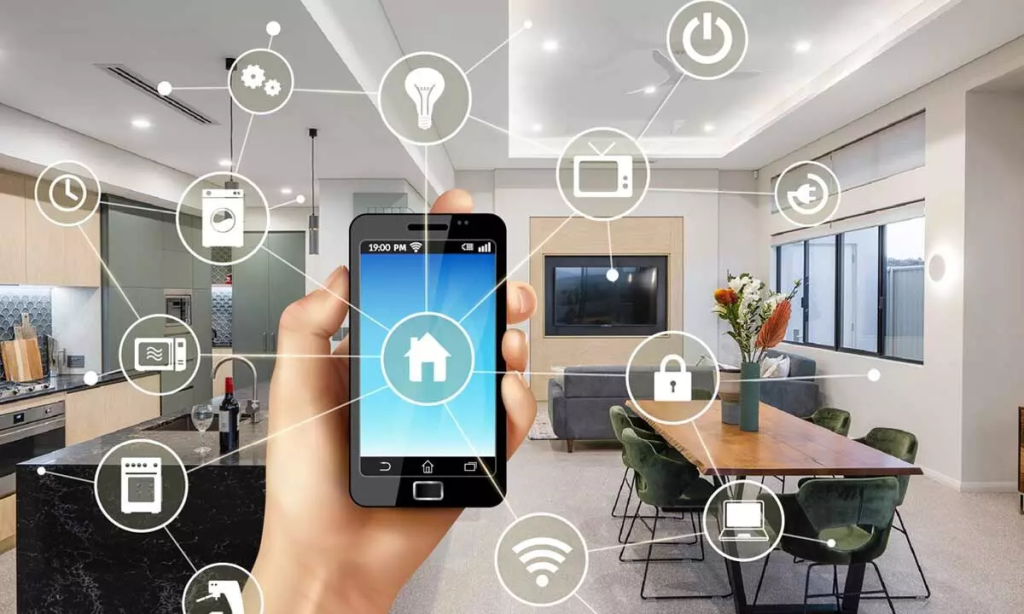
Remote health monitoring refers to the use of smart devices to track and analyze an individual's health data from a distance. This technology enables healthcare providers to remotely monitor patients' vital signs, symptoms, and overall health status in real-time, without the need for frequent in-person visits.
Improved Patient Care
- Remote health monitoring has improved patient care by allowing for early detection of health issues, thereby enabling timely interventions and preventing complications.
- It has also facilitated continuous monitoring of chronic conditions, such as diabetes and hypertension, leading to better disease management and improved outcomes.
- Patients can receive personalized feedback and recommendations based on their health data, promoting self-management and adherence to treatment plans.
Implications on Healthcare Systems and Professionals
- Remote health monitoring can reduce the burden on healthcare systems by minimizing unnecessary hospital visits and emergency room admissions, resulting in cost savings and improved resource allocation.
- Healthcare professionals can remotely monitor multiple patients simultaneously, allowing for more efficient and proactive care management.
- However, the implementation of remote health monitoring requires proper data security measures to protect patient confidentiality and comply with regulatory standards.
Fitness and Exercise Tracking
Smart devices play a crucial role in helping individuals track their fitness and exercise activities, leading to better health outcomes and motivation to stay active.
Smart Devices for Fitness Tracking
- Smart watches and fitness trackers can monitor steps taken, distance traveled, calories burned, and even heart rate during exercise.
- Some devices offer GPS tracking for outdoor activities like running or cycling, providing accurate data on routes and performance.
- Smart scales can also be synced with fitness apps to track weight loss progress and body composition changes over time.
Success Stories with Smart Devices
- Many individuals have successfully achieved their fitness goals with the help of smart devices by staying accountable and motivated to reach milestones.
- By tracking their progress and receiving real-time feedback on their activities, users can make adjustments to their routines for better results.
- Personalized challenges and rewards on fitness apps encourage users to stay consistent with their exercise habits and maintain a healthy lifestyle.
Motivation and Healthy Lifestyle
- Smart devices provide reminders and notifications to encourage users to stay active throughout the day, whether through small breaks or dedicated workout sessions.
- By setting achievable goals and tracking progress, individuals are more likely to engage in regular physical activity and prioritize their health and well-being.
- Social features on fitness apps allow users to connect with friends or join communities for support, accountability, and friendly competition.
Smart Devices and Mental Health
Smart devices are revolutionizing the way we approach mental health by providing tools for tracking and managing stress, anxiety, and overall well-being.
The Role of Smart Devices in Mental Health
Smart devices offer a range of features that can help individuals take control of their mental health:
- Tracking Mood and Emotions: Smart devices equipped with mood tracking apps allow users to monitor their emotional state over time, helping them identify patterns and triggers.
- Guided Meditation and Relaxation Techniques: Many smart devices offer guided meditation sessions and relaxation exercises to help users unwind and reduce stress levels.
- Sleep Tracking and Analysis: Adequate sleep is crucial for mental health, and smart devices can track sleep patterns to provide insights into sleep quality and recommend improvements.
- Breathing Exercises: Smart devices often include breathing exercises that can help individuals manage anxiety and promote relaxation.
Tips for Leveraging Smart Devices for Mental Health Improvement
Here are some tips on how to make the most of smart devices for improving mental well-being:
- Set Reminders for Self-Care Activities: Use your smart device to set reminders for self-care activities such as taking breaks, practicing mindfulness, or engaging in hobbies.
- Establish a Routine: Create a daily routine that incorporates mental health practices supported by your smart device, such as meditation sessions or gratitude journaling.
- Utilize Mindfulness Apps: Explore mindfulness apps available on smart devices that offer guided practices for stress reduction and relaxation.
- Stay Connected: Use smart devices to stay connected with supportive communities or mental health professionals for ongoing support and guidance.
Closing Summary
In conclusion, the integration of smart devices into our lives is reshaping the landscape of healthy living. By leveraging the capabilities of these devices, individuals are empowered to take charge of their well-being like never before. Stay tuned for more insights on this dynamic shift in health trends.
Popular Questions
How accurate are smart devices in tracking health metrics?
Smart devices have shown significant accuracy in tracking health metrics such as heart rate, sleep patterns, and physical activity when compared to traditional methods.
Can smart devices really help in managing mental health?
Smart devices can be effective tools in managing stress, anxiety, and overall mental well-being by providing users with insights and tools for relaxation and mindfulness.
What are the potential challenges of relying solely on smart devices for health advice?
While smart devices offer personalized health recommendations, limitations may arise in cases where professional medical guidance is necessary for accurate diagnosis and treatment.