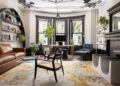
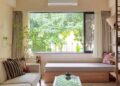
As Interior Design Tips to Instantly Elevate Any Room takes center stage, this opening passage beckons readers into a world crafted with good knowledge, ensuring a reading experience that is both absorbing and distinctly original.
The following paragraphs will delve into the importance of interior design, choosing the right color scheme, maximizing natural light, furniture arrangement and layout, incorporating textures and patterns, and personalizing with decor and accessories.
Importance of Interior Design
Interior design plays a crucial role in transforming a space from ordinary to extraordinary. It goes beyond just aesthetics, as it impacts the mood, productivity, and overall well-being of individuals who inhabit the space. The careful selection of colors, lighting, furniture, and layout can create a harmonious environment that enhances the quality of life.
Impact on Mood and Productivity
Interior design has a direct influence on the mood and productivity of individuals. For example, a well-designed workspace with ample natural light, ergonomic furniture, and calming colors can boost creativity and focus. On the other hand, a cluttered and poorly lit space can lead to stress and decreased productivity.
- Colors: Different colors evoke different emotions. For instance, blue is known for its calming effect, while yellow can bring energy and positivity.
- Lighting: Proper lighting is essential for creating ambiance and functionality. Natural light is ideal for promoting well-being, while task lighting can enhance productivity.
- Furniture: The choice of furniture not only affects the aesthetic appeal but also the comfort and functionality of a space. Ergonomic furniture can improve posture and reduce physical strain.
Examples of Well-Designed Spaces
Well-designed spaces like the Google headquarters or the Apple stores are known for their innovative design concepts that prioritize user experience. These spaces are not only visually appealing but also functional, creating an inviting atmosphere that encourages creativity and collaboration.
By paying attention to every detail, from the color scheme to the layout, these spaces have a significant impact on the people who interact with them.
Choosing the Right Color Scheme
Choosing the right color scheme for a room can significantly impact its overall look and feel. Different color combinations can evoke various emotions and set the mood for the space. Here, we will explore how color schemes can influence the perception of a room and provide tips on selecting the perfect hues for your interiors.
Color Psychology and Mood
Color psychology plays a crucial role in interior design as colors have the power to affect our emotions and behavior. For example, warm tones like red, orange, and yellow can create a cozy and inviting atmosphere, while cool colors such as blue and green promote a sense of calmness and tranquility.
Understanding the psychology behind colors can help you choose the right shades to enhance the mood of a room.
Complementary Color Selection
When selecting a color scheme, it's essential to choose complementary colors that work well together to create a harmonious look. Complementary colors are opposite each other on the color wheel, such as blue and orange or red and green. Pairing these colors can create a visually appealing contrast while ensuring a balanced and cohesive design scheme.
Successful Color Combinations
Some successful color combinations in interior design include:
- Navy and gold for a luxurious and sophisticated look.
- Gray and yellow for a modern and cheerful vibe.
- Black and white for a timeless and elegant aesthetic.
- Pastel hues for a soft and calming atmosphere.
By carefully selecting and combining colors, you can instantly elevate any room and create a space that reflects your style and personality.
Maximizing Natural Light
Maximizing natural light in a room can significantly enhance the overall look and feel, creating a more spacious and inviting atmosphere.
The Benefits of Natural Light
- Increases the perceived size of a room, making it feel more open and airy.
- Boosts mood and productivity, as natural light is known to positively impact mental well-being.
- Reduces the need for artificial lighting during the day, saving energy and lowering electricity bills.
Positioning Furniture to Optimize Natural Light
Place furniture near windows but avoid blocking the light source. Opt for low-profile pieces to maintain an open feel in the room.
Window Treatments for Maximum Light and Privacy
Choose sheer curtains or blinds that allow light to filter through while still providing privacy. Consider light-colored fabrics to reflect light into the room.
Enhancing Natural Light Creatively
- Use mirrors to reflect and amplify natural light throughout the room.
- Paint walls in light colors to bounce light around the space.
- Opt for furniture with reflective surfaces, like glass or metal, to further brighten the room.
Furniture Arrangement and Layout
When it comes to interior design, furniture arrangement plays a crucial role in setting the tone and functionality of a space. The way furniture is placed can impact the flow of the room, the visual appeal, and even the overall mood.
Here are some tips to help you create a well-balanced and visually pleasing layout for any room.
Importance of Furniture Placement
- Proper furniture placement can optimize the functionality of a room by creating designated areas for specific activities such as lounging, dining, or working.
- Strategic placement of furniture can help define traffic flow and ensure that the room feels spacious and easy to navigate.
- Arranging furniture thoughtfully can also highlight architectural features or focal points in the room, enhancing the overall design aesthetic.
Creating Functional and Visually Appealing Layouts
- Start by determining the focal point of the room and arrange furniture around it to create a cohesive look.
- Consider the scale and proportion of furniture pieces to ensure they fit the room appropriately without overwhelming the space.
- Leave enough space between furniture pieces to allow for easy movement and maintain a sense of balance in the room.
Balancing Furniture Sizes and Shapes
- Mixing furniture of different sizes and shapes can add visual interest to a room and prevent it from looking too uniform or boring.
- Use a variety of furniture shapes to create contrast and balance in the space, such as pairing a round coffee table with a sectional sofa.
- Consider the overall layout of the room and the function of each piece of furniture to ensure harmony and cohesion in the design.
Examples of Furniture Arrangements
| Small Room: Opt for multipurpose furniture pieces like a sleeper sofa or nesting tables to maximize space. |
| Large Room: Create separate seating areas using rugs and furniture groupings to define different zones within the room. |
| Open Concept: Use area rugs to anchor furniture arrangements and create visual boundaries in an open floor plan. |
Incorporating Textures and Patterns
Textures and patterns play a crucial role in interior design, adding depth, visual interest, and personality to a room. By combining different textures and patterns effectively, you can create a harmonious and dynamic space that feels inviting and visually appealing.
Significance of Textures and Patterns in Interior Design
Textures and patterns can transform a room from bland to beautiful. They add visual interest, create focal points, and evoke different moods depending on the choices made. For example, a mix of soft textures like velvet with a bold geometric pattern can add sophistication and warmth to a space.
Tips on Mixing Textures and Patterns Effectively
- Start with a neutral base: Use a neutral color palette as the foundation and then layer textures and patterns on top for interest.
- Balance scale and proportion: Mix different scales of patterns and textures to create a visually balanced look.
- Consider the mood: Choose textures and patterns that reflect the mood you want to create in the room, whether it's cozy and intimate or bold and energetic.
- Use a variety of textures: Incorporate a mix of textures like smooth, rough, shiny, and matte to add depth and tactile appeal.
Adding Depth and Visual Interest with Textures and Patterns
Textures and patterns can add depth and dimension to a room, making it feel more layered and visually engaging. For example, pairing a plush area rug with a textured throw blanket and patterned accent pillows can create a cozy and inviting seating area.
Examples of Successful Combinations of Textures and Patterns in Design
- Combining a leather sofa with a faux fur throw and a geometric patterned rug for a modern and luxurious living room.
- Pairing a sleek marble coffee table with a woven jute rug and floral patterned curtains for a mix of elegance and earthy textures in a dining room.
- Using a mix of metallic textures like brass accents with a bold striped wallpaper for a sophisticated and eclectic bedroom design.
Personalizing with Decor and Accessories
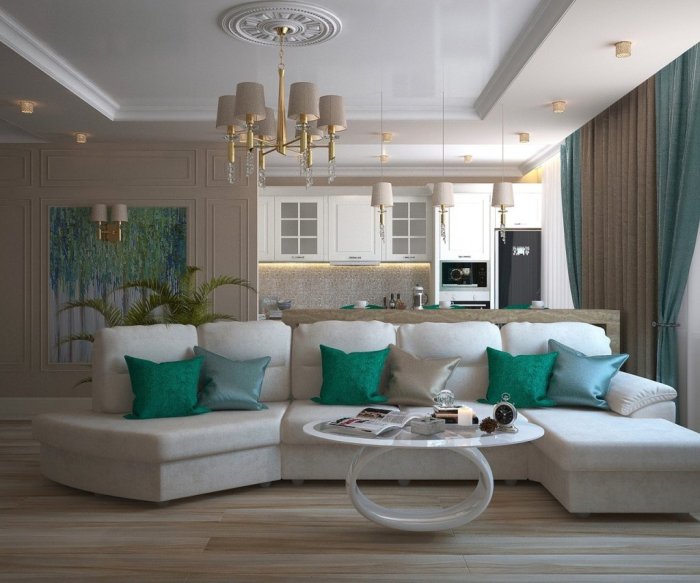
Adding decor and accessories is a crucial step in personalizing a space and making it feel like home. These elements allow you to showcase your unique style and add a personal touch to the room.
Selecting Decor that Reflects Personal Style
When choosing decor pieces, opt for items that resonate with your personality and taste. Look for artwork, sculptures, or decorative objects that speak to you on a personal level. This will help create a space that truly reflects who you are.
Enhancing the Overall Design with Accessories
Accessories play a key role in tying the room together and enhancing the overall design. Whether it's throw pillows, rugs, or decorative accents, these elements can add texture, color, and visual interest to the space.
Examples of Elevating a Room’s Aesthetic with Decor and Accessories
- Hang a gallery wall of framed photos or artwork that showcase your personal memories and experiences.
- Layer different textures like a cozy throw blanket, plush area rug, and velvet cushions to create a warm and inviting atmosphere.
- Showcase unique collectibles or souvenirs from your travels to add a personal touch and spark conversations with guests.
Last Point
In conclusion, mastering these interior design tips can truly transform any space into a haven of style and functionality. By understanding the impact of colors, light, furniture, textures, and personal touches, you can create rooms that not only look beautiful but also feel inviting and comfortable.
Elevate your rooms with these expert tips and watch as your living spaces come to life with sophistication and charm.
FAQ Corner
How does interior design impact mood and productivity?
Interior design can influence mood and productivity by creating spaces that are visually appealing, functional, and tailored to individual preferences.
What are some tips for selecting complementary colors in a room?
Choose colors that are opposite each other on the color wheel for a harmonious look, or opt for shades within the same color family for a more subtle approach.
How can natural light be maximized in a room?
Position furniture to allow light to flow freely, use sheer curtains or blinds to maintain privacy while still letting light in, and consider adding mirrors to reflect natural light throughout the space.
Why is furniture arrangement important in interior design?
Proper furniture placement can enhance the functionality and flow of a room, creating a balanced and visually appealing layout that maximizes space.
What role do textures and patterns play in interior design?
Textures and patterns add depth, visual interest, and personality to a room, creating a dynamic and inviting space that reflects individual style.