Embark on a journey through the world of Interior Styling Secrets from Global Design Experts, where creativity meets functionality to create stunning living spaces that inspire. This captivating introduction sets the stage for a deep dive into the intricate art of interior styling, revealing the hidden gems that shape our surroundings.
As we explore the key elements, cultural influences, and innovative techniques employed by design experts worldwide, prepare to be enlightened and inspired by the endless possibilities of interior design.
Overview of Interior Styling Secrets
Interior styling is the art of curating and arranging furniture, decor, and other elements within a space to create a harmonious and visually appealing environment. It goes beyond just decorating and involves a thoughtful approach to design and functionality.
Incorporating global design trends into interior styling is essential as it adds a unique and diverse perspective to a space. By drawing inspiration from different cultures and design styles, one can create a truly eclectic and personalized look.
The Impact of Interior Styling
- Creates a cohesive and inviting atmosphere that reflects the personality and taste of the homeowner or occupant.
- Enhances the functionality of a space by optimizing layout and flow.
- Can significantly influence the mood and ambiance of a room, affecting how people feel and interact within the space.
- Helps in maximizing the visual appeal of a space, making it aesthetically pleasing and visually interesting.
Global Design Experts’ Influence
- Global design experts bring a wealth of knowledge and experience in different design styles and trends from around the world.
- They offer fresh perspectives and innovative ideas that can push the boundaries of traditional interior styling.
- By staying updated with the latest design innovations and trends, global experts can introduce cutting-edge techniques and concepts to elevate interior styling practices.
Elements of Interior Styling
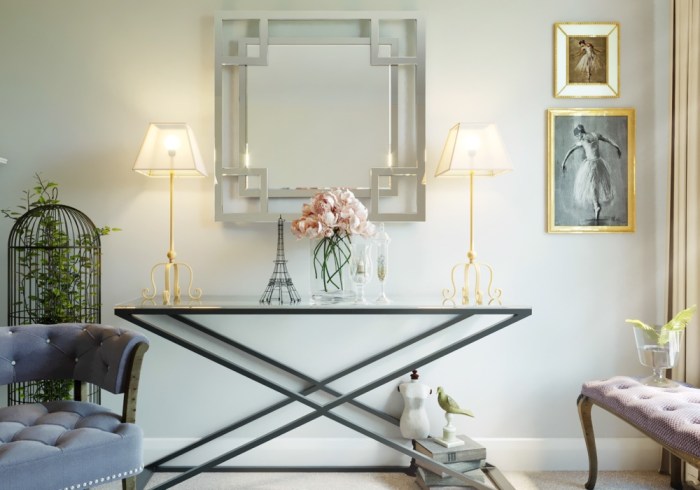
Successful interior styling involves a combination of key elements that work together harmoniously to create a cohesive and aesthetically pleasing space. These elements include color schemes, lighting, furniture placement, textures, patterns, and accessories.
Color Schemes
Color schemes play a crucial role in setting the mood and ambiance of a room. Warm colors like red, orange, and yellow can create a cozy and inviting atmosphere, while cool colors like blue, green, and purple can evoke a sense of calm and tranquility.
It is essential to choose colors that complement each other and the overall theme of the space.
Lighting
Proper lighting is key to enhancing the look and feel of a room. Natural light can make a space feel more spacious and airy, while artificial lighting can be used to highlight specific areas or create a particular ambiance. It is important to consider the placement of light fixtures and the type of lighting (ambient, task, accent) to achieve the desired effect.
Furniture Placement
The way furniture is arranged in a room can significantly impact its functionality and visual appeal. Furniture placement should allow for easy traffic flow, create conversation areas, and balance the space. It is essential to consider the scale of furniture pieces in relation to the size of the room to ensure a harmonious layout.
Textures, Patterns, and Accessories
Textures, patterns, and accessories add depth and interest to a space. Mixing different textures like wood, metal, glass, and fabrics can create a layered and visually appealing look. Patterns can be used to add personality and style, while accessories like artwork, rugs, and decorative objects can tie the room together and reflect the homeowner's taste.
Traditional vs. Modern Approaches
Traditional interior styling often focuses on classic design elements, formal furniture arrangements, and rich color palettes. In contrast, modern interior styling embraces simplicity, clean lines, and a neutral color scheme. Both approaches have their unique characteristics and can be adapted to suit different preferences and lifestyles.
Cultural Influences on Interior Styling
When it comes to interior styling, the influence of different cultures plays a significant role in shaping design choices and aesthetics. Cultural diversity brings a unique perspective to interior design, creating a rich tapestry of styles and influences.
How Different Cultures Influence Interior Styling Choices
Various cultures around the world have distinct design elements and aesthetics that impact interior styling choices. For example, Scandinavian design is known for its minimalistic approach, while Moroccan style incorporates vibrant colors and intricate patterns.
Examples of How Cultural Diversity Enhances Interior Design Aesthetics
- Japanese design principles, such as wabi-sabi, focus on embracing imperfections and simplicity, creating a serene and harmonious space.
- Indian design elements like intricate wood carvings and bold colors can add a sense of luxury and opulence to a room.
- African tribal patterns and textures can bring a sense of warmth and earthiness to a space.
The Importance of Incorporating Cultural Elements into Interior Styling
Integrating cultural elements into interior styling adds depth, character, and a sense of history to a space. It allows individuals to express their heritage, values, and personal style through design choices.
Insights on How Global Design Experts Integrate Cultural Influences
Global design experts often draw inspiration from various cultures around the world to create unique and innovative interior designs. By incorporating elements from different cultures, they are able to craft spaces that are both visually appealing and culturally rich.
Innovative Techniques in Interior Styling
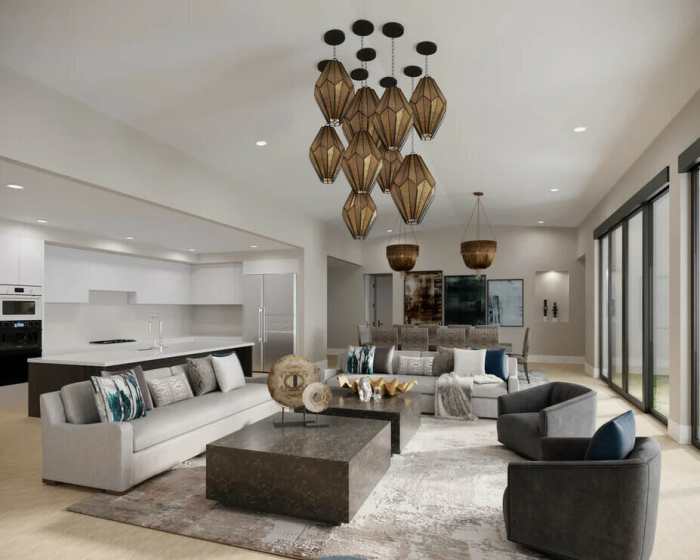
When it comes to interior styling, global design experts are constantly pushing the boundaries and exploring new techniques to create unique and cutting-edge spaces. These innovative approaches often involve the use of technology, unconventional materials, and forward-thinking design concepts.
Cutting-Edge Techniques Used by Global Design Experts
Global design experts are incorporating advanced techniques such as 3D printing, augmented reality, and virtual reality into their interior styling practices. These technologies allow designers to visualize spaces in new ways, experiment with different layouts, and create immersive experiences for clients.
Use of Technology in Modern Interior Styling Practices
- Integration of smart home technology for automated lighting, temperature control, and security systems.
- Utilization of digital design tools like CAD software for precise planning and visualization.
- Implementation of virtual showrooms for clients to experience designs before they are implemented.
Examples of Innovative Materials and Finishes in Interior Design
- Carbon fiber furniture for a sleek and modern look.
- Recycled glass countertops for a sustainable and eco-friendly touch.
- Biophilic design elements like living walls for a connection to nature.
Tips on How to Stay Updated with the Latest Interior Styling Trends
- Follow design blogs, magazines, and social media accounts of leading designers for inspiration.
- Attend design expos, trade shows, and seminars to learn about new trends and innovations.
- Experiment with new materials and techniques in your own design projects to stay ahead of the curve.
Epilogue
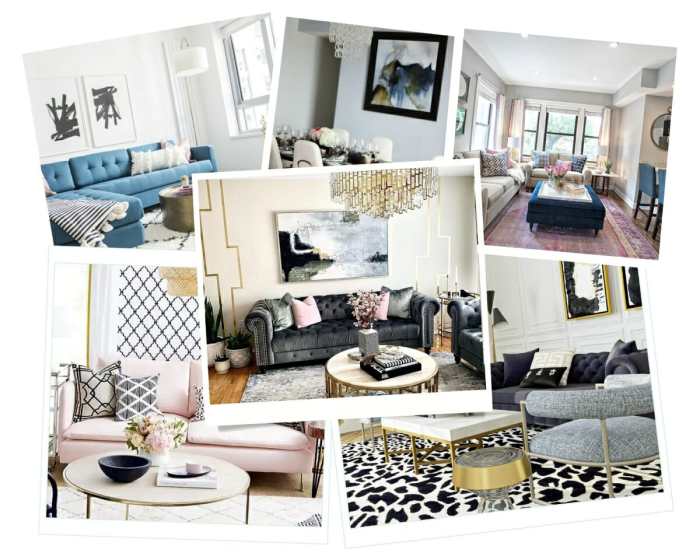
In conclusion, Interior Styling Secrets from Global Design Experts unveils a world where creativity knows no bounds, and every corner of a room holds the potential for transformation. From color schemes to cultural influences, this discussion has shed light on the power of design to elevate our living spaces and evoke emotions.
Dive into the realm of interior styling with newfound knowledge and a fresh perspective, ready to infuse your own space with style and sophistication.
Commonly Asked Questions
What are some key elements that contribute to successful interior styling?
Key elements include color schemes, lighting, furniture placement, textures, patterns, and accessories.
How do global design experts influence interior styling techniques?
Global design experts influence techniques through innovative approaches, cultural influences, and cutting-edge trends.
Why is it important to incorporate cultural elements into interior styling?
Incorporating cultural elements adds depth, richness, and uniqueness to interior design, creating a more personalized space.
What are some examples of innovative materials and finishes in interior design?
Innovative materials include recycled glass, sustainable wood, metal accents, and eco-friendly fabrics.
How can one stay updated with the latest interior styling trends?
To stay updated, follow design blogs, attend trade shows, and engage with design communities on social media.