Exploring the evolution from analog to smart living, this topic delves into the exciting changes shaping our modern lifestyles. From traditional elements to cutting-edge technology, the shift opens up new possibilities for convenience and efficiency.
Analog Lifestyle Overview

An analog lifestyle refers to a way of living that relies on traditional methods, tools, and practices rather than digital or smart technologies. It involves a more simplistic approach to daily activities and interactions with the environment.
Examples of Analog Lifestyle Elements
- Reading physical books instead of e-books
- Writing letters by hand instead of sending emails
- Using a paper calendar instead of a digital one
- Listening to vinyl records instead of streaming music
Characteristics of an Analog Lifestyle
- Emphasis on face-to-face interactions
- Preference for tangible and physical objects
- Slow and deliberate pace of living
- Connection to nature and the environment
Appeal of Analog Living in Modern Times
Despite the prevalence of digital technologies, many people find the simplicity and authenticity of an analog lifestyle appealing. It offers a sense of nostalgia, mindfulness, and a break from the constant connectivity and distractions of the digital world.
Smart Living Introduction
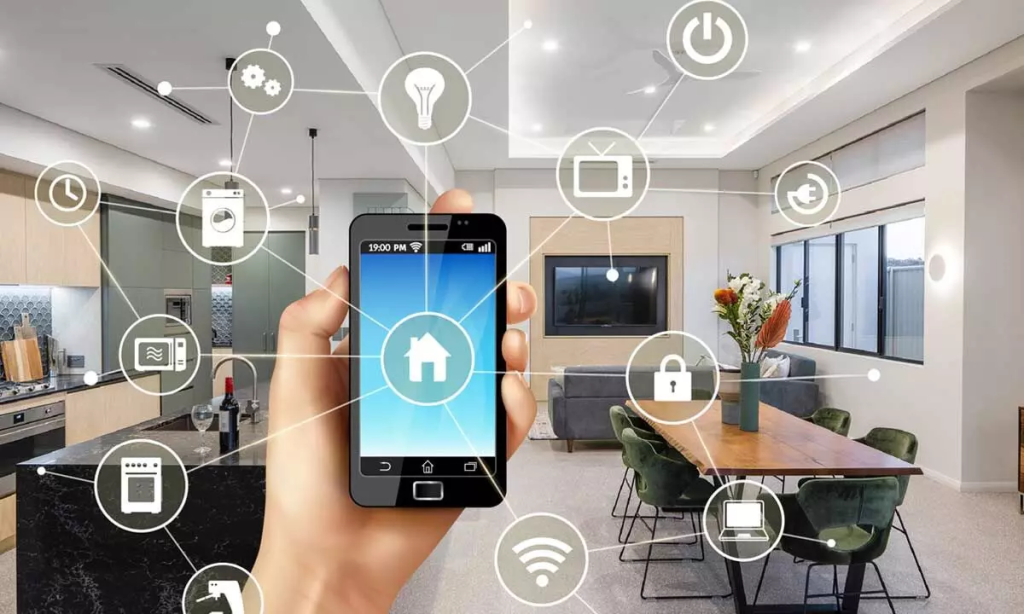
Smart living refers to the integration of technology and automation into various aspects of daily life to enhance convenience, efficiency, and sustainability. This lifestyle shift focuses on leveraging smart devices and systems to create a connected and intelligent living environment.
The core principles of smart living revolve around interconnectedness, adaptability, and user-centric design.Key Components of a Smart Living Setup:
- Smart Home Automation: Utilizing devices like smart speakers, thermostats, lighting systems, and security cameras to control and monitor various functions within the home.
- Internet of Things (IoT) Devices: Connecting everyday objects to the internet to enable communication and data exchange for improved functionality.
- Energy Efficiency Solutions: Implementing smart appliances and energy monitoring systems to reduce energy consumption and promote sustainability.
- Remote Access and Control: Allowing users to manage their smart home devices from anywhere using mobile apps or voice commands.
Benefits of Transitioning to a Smart Home:
- Convenience: Streamlining daily tasks and routines through automation and remote access, saving time and effort.
- Energy Savings: Optimizing energy usage through smart devices leads to lower utility bills and reduced environmental impact.
- Safety and Security: Enhanced monitoring capabilities and automated security features provide peace of mind for homeowners.
- Customization and Personalization: Tailoring smart home systems to individual preferences for a more personalized living experience.
Lifestyle Shift: Analog to Smart
As technology continues to advance, more and more people are making the shift from analog living to smart living. This transition involves moving away from traditional, manual methods to embracing modern, automated solutions.
Comparing Analog and Smart Living
Analog living typically involves using manual tools and devices, relying on physical interactions for everyday tasks. On the other hand, smart living utilizes technology such as smart devices, IoT (Internet of Things) systems, and automation to enhance convenience and efficiency.
- Analog living may require more time and effort for tasks that can be automated in smart living.
- Smart living offers remote access and control of devices through smartphone apps or voice commands, unlike analog living.
- Smart living enables connectivity and integration of various devices for a seamless experience, a feature not found in analog living.
Reasons for Shifting to Smart Living
There are several reasons why people are increasingly opting for smart living over analog living:
- Convenience: Smart devices simplify daily tasks and routines, saving time and effort.
- Efficiency: Automation and remote access enhance efficiency in managing home systems and appliances.
- Cost Savings: Smart solutions can lead to energy savings and reduced utility bills in the long run.
Real-Life Examples of Successful Lifestyle Shifts
Many individuals and families have successfully transitioned to smart living, experiencing the benefits firsthand:
- A family installs smart thermostats and lighting systems to regulate energy usage and create a more comfortable living environment.
- An individual adopts a smart home security system with cameras and sensors for enhanced safety and peace of mind.
- A small business integrates smart office solutions for improved productivity and streamlined operations.
Impact on Daily Routine
Smart living has a profound impact on daily routines, transforming the way we approach our tasks and activities. With the integration of smart devices and technology, our habits and behaviors shift towards a more efficient and convenient lifestyle.
Streamlined Schedule Management
- Smart calendars and scheduling apps help in organizing daily tasks and appointments seamlessly.
- Automated reminders and notifications ensure no important event or deadline is missed.
- Integration with smart home devices allows for voice-activated scheduling and reminders.
Efficient Home Management
- Smart thermostats and lighting systems optimize energy usage based on daily routines and preferences.
- Remote access to home security systems provides peace of mind and enhances safety measures.
- Smart appliances enable automated cooking, cleaning, and other household chores, freeing up time for other activities.
Health and Wellness Tracking
- Wearable fitness trackers monitor daily activity levels, sleep patterns, and overall health metrics.
- Smart scales and health apps help in tracking diet, exercise, and progress towards fitness goals.
- Integration with telemedicine services allows for convenient health consultations and monitoring.
Financial Considerations
When transitioning to smart living, one of the key factors to consider is the financial implications involved. From initial setup costs to long-term savings, understanding the financial aspects of smart living is crucial for making informed decisions.
Cost Implications of Transitioning to Smart Living
Transitioning to smart living can involve significant upfront costs, including purchasing smart devices, sensors, and other technology required for automation and connectivity. Installation and setup costs may also add to the initial investment.
However, it's important to consider the long-term savings that smart living can offer. Smart devices are designed to be energy-efficient, which can lead to reduced utility bills over time. Automation and optimization of resources can also result in cost savings in the long run.
Budget-Friendly Ways to Adopt Smart Living Practices
For those looking to adopt smart living practices on a budget, there are several strategies to consider. One option is to start small by focusing on essential smart devices that offer the most significant impact on daily living, such as smart thermostats or lighting systems.
Another approach is to look for deals, promotions, and discounts on smart devices to minimize initial costs. Additionally, exploring DIY installation options and leveraging existing technology infrastructure in the home can help reduce expenses.
Environmental Sustainability

Smart living plays a crucial role in promoting eco-friendly habits and contributing to environmental sustainability. One of the key ways in which smart technologies support this cause is through the reduction of energy consumption and the efficient use of resources.
Reduction of Energy Consumption
Smart homes are designed to optimize energy usage by automatically adjusting lighting, heating, and cooling systems based on occupancy and environmental conditions. This leads to a significant reduction in energy wastage and lower utility bills for homeowners. By integrating smart devices such as thermostats, sensors, and smart appliances, households can minimize their carbon footprint and contribute to a greener environment.
- Smart thermostats like Nest or Ecobee learn users' behaviors and adjust temperature settings accordingly, saving energy by not heating or cooling empty rooms.
- Sensors that detect natural light levels can automatically control blinds or curtains to regulate indoor lighting, reducing the need for artificial lighting during the day.
- Smart appliances such as energy-efficient washers, dryers, and refrigerators consume less electricity and water, further decreasing the overall energy consumption of a household.
Health and Wellness Benefits
Smart living has a significant impact on health and wellness, offering various advantages that can enhance both mental and physical well-being. By incorporating smart devices and technologies into daily routines, individuals can experience a healthier lifestyle and improve their overall quality of life.
Smart Devices for Healthier Lifestyle
- Smart Wearables: Devices like fitness trackers and smartwatches monitor physical activity, heart rate, sleep patterns, and even stress levels, encouraging users to stay active and maintain a balanced lifestyle.
- Smart Home Health Monitors: From smart scales to blood pressure monitors, these devices enable individuals to track their health metrics conveniently at home, promoting proactive health management.
- Smart Kitchen Appliances: Smart kitchen gadgets can assist in meal planning, preparation, and nutrition tracking, supporting healthier eating habits and overall wellness.
Mental and Physical Well-being Advantages
- Improved Fitness: Smart devices can motivate individuals to exercise regularly, set fitness goals, and track progress, leading to better physical health and increased energy levels.
- Stress Reduction: Smart technologies that offer relaxation techniques, mindfulness exercises, and sleep tracking can help manage stress levels and improve mental well-being.
- Health Monitoring: Continuous health monitoring through smart devices can detect early warning signs, promote preventive care, and empower individuals to take control of their health proactively.
Concluding Remarks
In conclusion, Lifestyle Shifts from Analog to Smart Living showcases the dynamic transformation taking place in how we approach daily routines and habits. Embracing smart living not only enhances our lives but also paves the way for a more sustainable and connected future.
FAQ Explained
What are some examples of analog lifestyle elements?
Analog lifestyle elements can include physical newspapers, printed photographs, manual typewriters, and traditional alarm clocks.
How does smart living impact health and wellness?
Smart living can impact health and wellness by promoting better sleep patterns, encouraging physical activity through smart devices, and providing access to real-time health monitoring.
What are the cost implications of transitioning to smart living?
Transitioning to smart living initially may involve higher setup costs, but it can lead to long-term savings through energy efficiency and automation.