Embark on a journey towards better sleep amidst the fast-paced, hyperconnected lifestyle we lead today. Dive into the realm of sleep optimization in a digital world, exploring the intricacies of rest and rejuvenation in an era dominated by technology and constant connectivity.
Delve deeper into the factors affecting sleep quality and discover effective strategies for a more restful night's sleep. Let's navigate the intersection of technology and rest, uncovering ways to ensure a peaceful slumber despite the digital distractions that surround us.
Importance of Sleep Optimization

Optimizing sleep is crucial in a hyperconnected lifestyle where individuals are constantly bombarded with notifications, emails, and social media updates. In this fast-paced digital age, ensuring adequate and quality sleep is essential for overall health and well-being.
Impact of Poor Sleep
Poor sleep has a significant impact on various aspects of health, including physical, mental, and emotional well-being. Research has shown that inadequate sleep can lead to a weakened immune system, increased risk of chronic diseases such as obesity, diabetes, and heart conditions, as well as cognitive impairment and mood disturbances.
Research Findings on Sleep Deprivation
- According to the Centers for Disease Control and Prevention (CDC), more than one-third of adults in the United States do not get enough sleep on a regular basis.
- A study published in the journal Sleep found that sleep deprivation is associated with an increased risk of mortality, particularly due to cardiovascular diseases.
- Research from the National Sleep Foundation indicates that sleep deprivation can impair judgment, decision-making, and reaction time, similar to the effects of alcohol consumption.
Factors Affecting Sleep Quality
In a hyperconnected lifestyle, various factors can significantly impact the quality of sleep, leading to disruptions in sleep patterns and overall well-being.
Role of Technology
Technology, such as smartphones, tablets, and laptops, emits blue light that can interfere with the production of melatonin, a hormone responsible for regulating sleep. Additionally, the constant notifications and alerts from devices can cause disturbances during the night, leading to poor sleep quality.
Role of Stress
High levels of stress and anxiety can make it difficult to unwind and fall asleep. Stress triggers the release of cortisol, a stress hormone that can disrupt the natural sleep-wake cycle. This can result in difficulties falling asleep, staying asleep, or experiencing restful sleep.
Lifestyle Choices
Factors such as irregular sleep schedules, excessive caffeine consumption, lack of physical activity, and poor diet can all contribute to poor sleep quality. Adopting unhealthy lifestyle choices can negatively impact sleep patterns and overall sleep quality.
Tips for Mitigating Negative Impact
- Avoid screens at least an hour before bedtime to reduce exposure to blue light.
- Practice relaxation techniques like deep breathing or meditation to alleviate stress and promote better sleep.
- Establish a consistent sleep schedule and create a calming bedtime routine to signal to your body that it's time to sleep.
- Limit caffeine intake, especially in the hours leading up to bedtime, to prevent disruptions in sleep.
- Engage in regular physical activity during the day to promote better sleep quality and overall well-being.
Strategies for Better Sleep
Optimizing sleep in a hyperconnected world is crucial for overall health and well-being. Here are some effective strategies to help improve the quality of your sleep:
Establish a Consistent Sleep Routine
One of the most important strategies for better sleep is to establish a consistent sleep routine
Sleep Hygiene Practices
- Avoid electronic devices before bedtime: The blue light emitted by screens can disrupt your sleep cycle. Try to limit screen time at least an hour before bed.
- Create a relaxing bedtime routine: Engage in calming activities like reading a book, taking a warm bath, or practicing deep breathing exercises to signal to your body that it's time to wind down.
- Keep your bedroom conducive to sleep: Make sure your room is dark, quiet, and at a comfortable temperature to optimize your sleep environment.
- Avoid stimulants close to bedtime: Caffeine, nicotine, and alcohol can interfere with your sleep quality. Try to avoid consuming these substances several hours before bed.
- Exercise regularly: Regular physical activity can help improve the quality of your sleep. Aim to exercise earlier in the day rather than right before bedtime.
Technology and Sleep Optimization
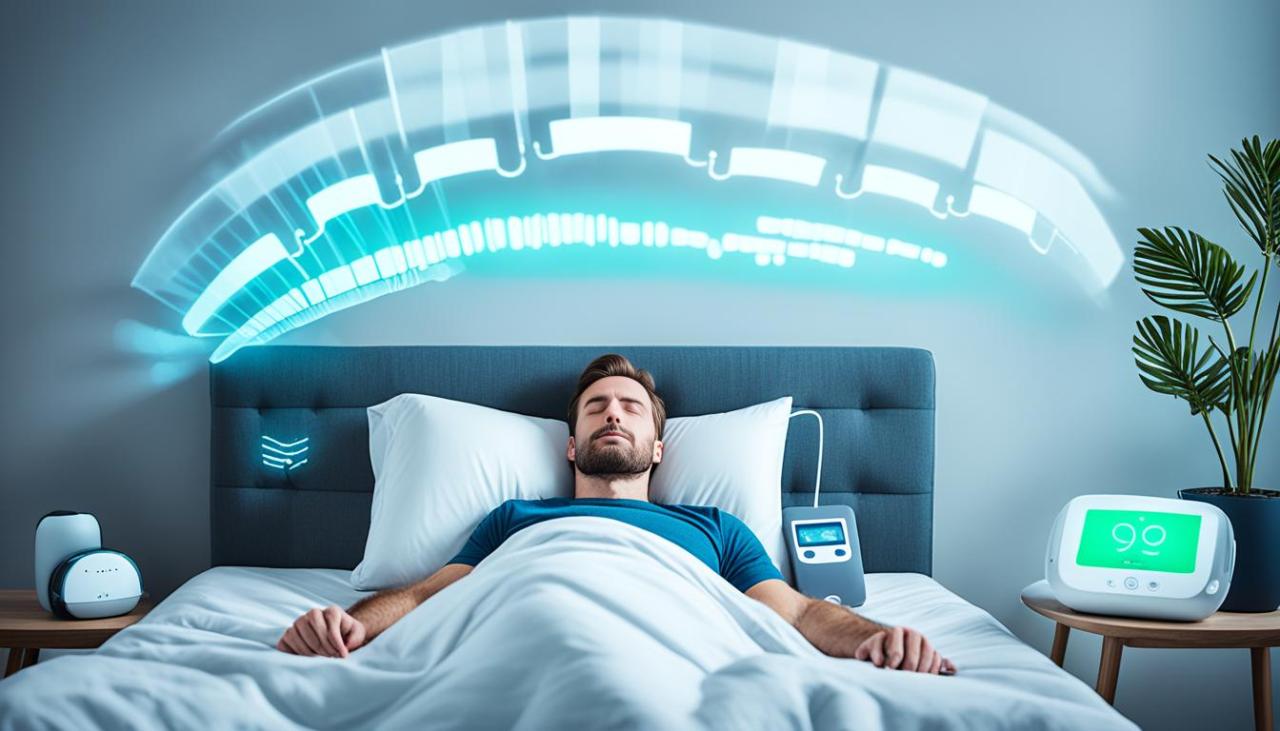
In today's hyperconnected world, technology plays a significant role in our daily lives. However, the excessive use of technology, especially before bedtime, can have a negative impact on our sleep quality. Let's explore the relationship between technology use and sleep disturbances, the effects of screen time before bed on sleep patterns, and recommendations for using technology mindfully to improve our sleep.
Effects of Technology on Sleep Quality
Excessive screen time before bed can disrupt our circadian rhythm, making it harder to fall asleep. The blue light emitted by screens can suppress the production of melatonin, the hormone responsible for regulating our sleep-wake cycle. This can lead to difficulties in falling asleep and achieving restful sleep.
Recommendations for Mindful Technology Use
- Avoid screen time at least an hour before bedtime to allow your brain to wind down and prepare for sleep.
- Use blue light filters or night mode settings on your devices to reduce the impact of screen light on melatonin production.
- Create a relaxing bedtime routine that does not involve technology, such as reading a book or practicing meditation.
- Avoid keeping electronic devices in the bedroom to minimize distractions and create a sleep-friendly environment.
Last Word

As we conclude our exploration of sleep optimization in a hyperconnected lifestyle, remember that prioritizing rest is key to overall well-being. By incorporating the discussed strategies into your daily routine, you can pave the way for a more rejuvenating and fulfilling sleep experience.
Popular Questions
How does technology impact sleep quality?
Technology can disrupt sleep patterns through excessive screen time before bed, affecting the body's natural sleep-wake cycle.
Why is establishing a consistent sleep routine important?
Consistency in sleep schedules helps regulate the body's internal clock, promoting better quality sleep.
What are some effective strategies for optimizing sleep in a hyperconnected world?
Effective strategies include creating a calming bedtime routine, limiting screen time, and ensuring a comfortable sleep environment.