Smart Lifestyle Hacks to Reduce Digital Burnout sets the stage for this enthralling narrative, offering readers a glimpse into a story that is rich in detail and brimming with originality from the outset. In a world saturated with digital distractions, finding ways to combat burnout has become essential for mental well-being.
This guide delves into effective strategies and insightful tips to help individuals navigate the digital landscape with ease.
Introduction to Digital Burnout
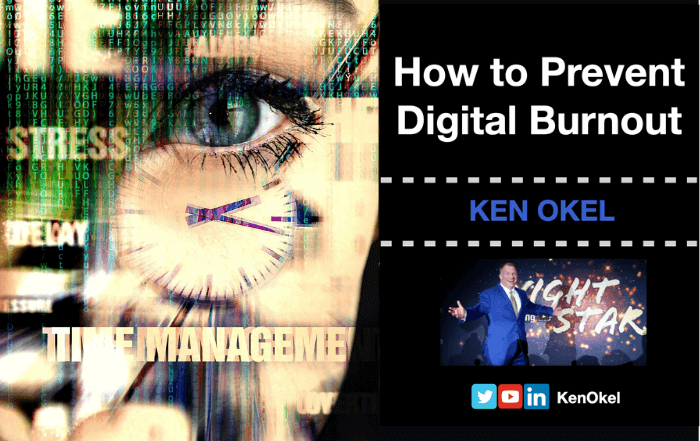
Digital burnout is a phenomenon characterized by feelings of exhaustion, anxiety, and detachment resulting from excessive use of digital devices and technology. In today's fast-paced world, where we are constantly bombarded with notifications, emails, and social media updates, the effects of digital burnout on mental health are becoming increasingly prevalent.
Impact on Mental Health
- Increased stress levels leading to anxiety and depression.
- Difficulty in focusing and decreased productivity.
- Disrupted sleep patterns and overall fatigue.
Manifestation in Daily Life
- Constantly checking smartphones even during meals or social gatherings.
- Feeling overwhelmed by the never-ending stream of information on various digital platforms.
- Experiencing a sense of isolation and disconnection despite being constantly connected online.
Importance of Addressing Digital Burnout
Digital burnout can have serious consequences on our overall well-being and quality of life. By recognizing the signs of digital burnout and taking proactive steps to reduce our screen time and establish healthy boundaries with technology, we can safeguard our mental health and improve our overall sense of happiness and fulfillment in the modern age.
Identifying Signs of Digital Burnout

Recognizing the symptoms of digital burnout is crucial in addressing the issue effectively. Here are some common signs to look out for:
Common Symptoms of Digital Burnout:
- Constantly checking devices, even during personal time
- Feeling anxious or restless when away from screens
- Difficulty focusing on tasks or conversations
- Physical symptoms like headaches, eye strain, or insomnia
- Decreased productivity and motivation
Recognizing Digital Burnout:
One way to identify digital burnout is by paying attention to how technology use affects your mental and physical well-being. If you notice a combination of the symptoms mentioned above, it may be a sign that you are experiencing digital burnout.
Personal Anecdotes:
For example, I remember a time when I was constantly checking my phone for notifications, even during family dinners or social gatherings. I realized that this behavior was affecting my relationships and overall mental health, prompting me to take steps to reduce my screen time and prioritize self-care.
Smart Lifestyle Hacks to Reduce Digital Burnout
In today's digital age, it's easy to get overwhelmed by the constant influx of information and notifications from our devices. This can lead to digital burnout, a state of mental and physical exhaustion caused by excessive screen time and online activities.
To combat this modern-day issue, here are some smart lifestyle hacks to help reduce digital burnout.
Strategies to Reduce Digital Burnout
Implementing the following strategies can help you create a healthier relationship with technology and reduce the negative effects of digital burnout:
| Hack | Effectiveness |
|---|---|
| Mindfulness Practices | ✓✓✓ |
| Digital Detox Tips | ✓✓ |
| Setting Boundaries | ✓✓✓✓ |
| Establishing Tech-Free Zones | ✓✓ |
Incorporating Mindfulness into Daily Routine
Integrating mindfulness practices into your daily routine can be a powerful tool in reducing digital burnout. Mindfulness involves being fully present and aware of your thoughts, feelings, and surroundings without judgment.
Understanding Mindfulness
Mindfulness plays a crucial role in combatting digital burnout by helping individuals stay grounded and focused amidst the distractions of the digital world. It allows for a mental break from constant screen time and helps in managing stress levels effectively.
Practicing Mindfulness in Everyday Activities
- Start your day with a mindfulness exercise such as deep breathing or meditation to set a positive tone for the day.
- Practice mindful eating by focusing on the taste, texture, and aroma of your food without any distractions from screens.
- Take short mindfulness breaks throughout the day to check in with your thoughts and emotions, allowing yourself to reset and refocus.
- Incorporate mindfulness into activities like walking or exercising by paying attention to your movements and surroundings.
- End your day with a gratitude practice, reflecting on the positive moments of the day and expressing appreciation.
Personal Experiences with Mindfulness
Personally, I have found that practicing mindfulness has had a profound impact on my overall well-being. By incorporating mindfulness into my daily routine, I have been able to reduce stress, improve focus, and enhance my emotional resilience. Mindfulness has helped me disconnect from the digital world and connect more deeply with myself and those around me.
Setting Digital Boundaries
Setting boundaries with technology use is crucial in preventing digital burnout. By establishing limits on our screen time and online activities, we can create a healthier balance between our digital and real-world interactions. This practice helps in reducing stress, anxiety, and the feeling of being overwhelmed by the constant influx of information from the digital world.
Examples of Healthy Digital Boundaries
- Avoiding screen time before bedtime to improve sleep quality.
- Setting specific time slots for checking emails and social media to avoid constant distractions.
- Designating tech-free zones in the house, such as the dining table or bedroom, to promote offline connections.
- Turning off push notifications to minimize interruptions and maintain focus on tasks.
Benefits of Having Digital Boundaries
- Improved mental health and well-being by reducing digital overload and information overload.
- Enhanced productivity and efficiency as a result of focused work periods without constant interruptions.
- Better relationships and connections with others due to increased presence and attention in real-life interactions.
- Reduced stress and anxiety levels by creating a healthier balance between online and offline activities.
Creating a Tech-Free Sanctuary
Creating a tech-free sanctuary is essential for disconnecting from the digital world and promoting relaxation. It is a designated space in your home where you can unwind, de-stress, and rejuvenate without the distractions of electronic devices.
Designing a Relaxing Space
When designing a tech-free sanctuary, choose a quiet and peaceful area in your home where you feel comfortable and relaxed. Decorate the space with calming colors, soft lighting, comfortable seating, and elements of nature like plants or natural materials.
- Create a cozy reading nook with a comfortable chair, a soft blanket, and a selection of your favorite books.
- Add cushions, candles, and soothing essential oils to create a calming ambiance.
- Consider incorporating elements of mindfulness such as a meditation cushion or a yoga mat for relaxation exercises.
Activities for Relaxation
Once you have set up your tech-free sanctuary, engage in activities that promote relaxation and rejuvenation without the use of digital devices.
- Practice mindfulness meditation to focus on the present moment and reduce stress.
- Read a book or listen to calming music to unwind and escape from the digital world.
- Engage in creative hobbies like drawing, painting, or crafting to express yourself and relax your mind.
- Spend time in nature by bringing in plants or flowers to your sanctuary, or simply sit by a window and enjoy the view.
Ultimate Conclusion
In conclusion, Smart Lifestyle Hacks to Reduce Digital Burnout provides a roadmap to a healthier relationship with technology. By implementing these practical tips and embracing mindful practices, individuals can reclaim balance in their lives and safeguard their mental health. Take the first step towards a more harmonious digital lifestyle today.
Question & Answer Hub
How can mindfulness practices help reduce digital burnout?
Mindfulness practices promote awareness and presence, allowing individuals to disconnect from digital stimuli and focus on the present moment, reducing feelings of overwhelm and burnout.
What are some examples of healthy digital boundaries?
Healthy digital boundaries include setting designated tech-free times during the day, establishing limits on screen time, and creating phone-free zones in certain areas of the home.