Step into the future of interior design with a preview of the top trends to watch in 2025. From innovative materials to cutting-edge technology integration, this article explores the exciting evolution of home decor and style. Get ready to be inspired by what's on the horizon for interior design enthusiasts!
Emerging Materials and Textures
In interior design, the choice of materials and textures plays a crucial role in shaping the look and feel of a space. As we look ahead to 2025, several new materials are expected to gain popularity, influencing design trends and aesthetics.
New Materials
- Biophilic Materials: With a focus on bringing nature indoors, materials like cork, bamboo, and reclaimed wood are anticipated to be prominent in 2025.
- Recycled and Upcycled Materials: Sustainability continues to be a key factor in design choices, leading to the rise of recycled glass, repurposed metals, and upcycled fabrics.
- Smart Materials: The integration of technology into design is on the rise, with materials that respond to environmental changes, such as self-cleaning surfaces, gaining traction.
Textures in Design
Textures play a significant role in enhancing the visual and tactile experience of a space. In 2025, we can expect to see a focus on incorporating a variety of textures to add depth and interest to interiors.
- Contrast: Mixing textures like smooth metals with rough concrete or plush velvet with sleek glass can create a dynamic and visually appealing contrast in a room.
- Organic Textures: Materials like jute, rattan, and linen bring a natural and earthy texture to spaces, adding warmth and comfort.
- Textured Wall Coverings: Textured wallpapers and wall coverings are expected to be popular in 2025, offering a versatile way to introduce texture and dimension to walls.
Sustainable Materials Impact
The shift towards sustainable materials is reshaping interior design trends, with a growing emphasis on eco-friendly and environmentally conscious choices. Sustainable materials not only reduce the carbon footprint of a space but also promote a healthier living environment.
- Biodegradable Options: Materials like cork, hemp, and bamboo are biodegradable and renewable, making them popular choices for eco-conscious designs.
- Low VOC Products: Volatile Organic Compounds (VOCs) are harmful chemicals often found in paints and finishes. In 2025, low VOC and zero VOC products will be favored for their minimal impact on indoor air quality.
- Circular Economy Practices: Embracing a circular economy model, designers are incorporating materials that can be reused, recycled, or repurposed, reducing waste and promoting sustainability.
Technology Integration
As we look towards 2025, the integration of smart home technology is set to play a significant role in shaping interior design trends. With advancements in technology, designers now have innovative ways to incorporate tech elements seamlessly into interior spaces, creating a harmonious blend of functionality and aesthetics.
Innovative Ways of Technology Integration
- Smart Lighting Systems: Incorporating smart lighting systems that can adjust based on natural light levels or user preferences, enhancing the ambiance of a room.
- Voice-Activated Assistants: Integration of voice-activated assistants like Amazon Alexa or Google Home to control various functions within a space, making tasks more convenient and efficient.
- Smart Furniture: Utilizing furniture pieces with built-in charging stations, adjustable settings, or even embedded technology for interactive experiences, adding a futuristic touch to interiors.
- Augmented Reality (AR) and Virtual Reality (VR): Implementing AR or VR technologies for virtual design consultations, visualization of interior layouts, or immersive shopping experiences, revolutionizing the way spaces are designed and experienced.
Balancing Technology with Traditional Design Elements
While the integration of technology is exciting, maintaining a balance with traditional design elements is key to creating a timeless and inviting space. Designers must carefully curate tech features to complement rather than overpower the overall aesthetic, ensuring that the space remains warm and welcoming.
Color Palettes and Schemes
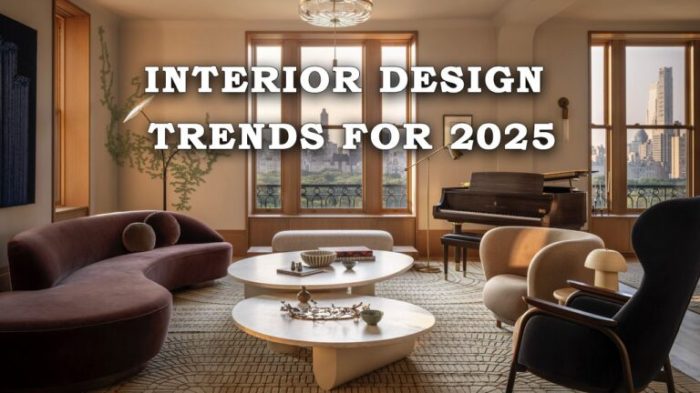
In interior design, color plays a crucial role in setting the tone and atmosphere of a space. Different color palettes and schemes can evoke various emotions and influence the overall mood of a room.
Trending Color Palettes for 2025
- Earth Tones: Shades of brown, terracotta, and olive green are expected to dominate interiors, bringing a sense of warmth and connection to nature.
- Soft Pastels: Pastel hues like blush pink, soft lavender, and powder blue will continue to be popular, creating a calming and soothing ambiance.
- Monochromatic Neutrals: White, beige, and gray tones are timeless choices that promote a sense of serenity and sophistication.
Bold vs. Neutral Color Schemes
When it comes to color schemes, the choice between bold and neutral colors can drastically impact the look and feel of a space.
- Bold Color Schemes:Vibrant hues like deep blues, emerald greens, and rich reds can add drama and personality to a room. They are perfect for making a statement and creating a focal point within the space.
- Neutral Color Schemes:On the other hand, neutral tones such as whites, beiges, and grays provide a versatile backdrop that allows for easy accessorizing and styling. They create a sense of balance and harmony in the room.
Multifunctional Spaces
Multifunctional design in interior spaces involves creating areas that serve multiple purposes to optimize space usage and enhance functionality. By incorporating versatile furniture and design elements, homeowners can make the most out of their living spaces.
Optimizing Space Usage
- Convertible sofa beds that can be used as seating during the day and transformed into a bed for guests at night.
- Wall-mounted folding tables that can be used as a workspace or dining table and then folded back to save space when not in use.
- Murphy beds that can be hidden within a wall cabinet to free up floor space in a small bedroom or guest room.
Benefits of Versatile Living Areas
Creating multifunctional spaces in homes offers various benefits, such as:
- Maximizing limited square footage in smaller homes or apartments.
- Increasing flexibility and adaptability to accommodate changing needs and activities.
- Enhancing organization and decluttering by consolidating functions in one area.
- Improving the overall aesthetic appeal of the space by promoting a seamless and cohesive design.
Biophilic Design Elements
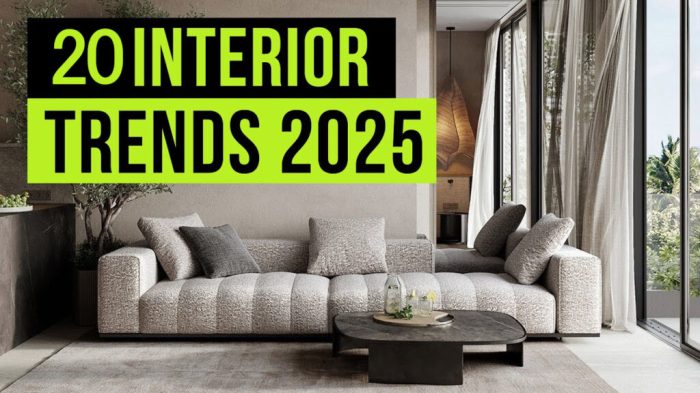
Biophilic design is a concept that incorporates elements of nature into interior spaces to create a more harmonious and balanced environment. By bringing in natural elements such as plants, natural light, and organic textures, biophilic design aims to connect people with nature and improve overall well-being.
Incorporating Nature-Inspired Elements
- Integrate indoor plants: Adding a variety of plants can not only improve air quality but also create a calming and refreshing atmosphere.
- Maximize natural light: Utilize large windows, skylights, and light wells to bring in natural light, which can enhance mood and productivity.
- Use natural materials: Incorporate wood, stone, bamboo, and other natural materials to create a sense of warmth and connection to the outdoors.
Psychological Benefits of Biophilic Design
- Stress reduction: Exposure to nature-inspired elements has been shown to reduce stress levels and promote relaxation.
- Improved focus: By incorporating biophilic elements, such as views of greenery or natural light, cognitive function and concentration can be enhanced.
- Enhanced creativity: Surrounding oneself with nature-inspired elements can stimulate creativity and problem-solving skills.
Ultimate Conclusion
As we wrap up our journey through the future of interior design trends for 2025, it's clear that the landscape of home styling is set to undergo a remarkable transformation. With a focus on sustainability, technology, and versatile design concepts, the coming years promise to bring a fresh wave of creativity and innovation to every corner of our living spaces.
Stay tuned for the exciting trends that lie ahead!
Questions and Answers
What are some new materials expected to gain popularity in 2025?
In 2025, we can expect materials like recycled glass, reclaimed wood, and sustainable fabrics to gain popularity in interior design.
How can colors influence the mood and ambiance of a room?
Colors have a significant impact on the atmosphere of a space, with warm tones creating a cozy feel and cool tones promoting a sense of calm and relaxation.
What are the benefits of creating multifunctional spaces in homes?
Multifunctional spaces optimize living areas, improve functionality, and make the most of limited space, enhancing the overall comfort and versatility of a home.
What is biophilic design and why is it important in interior spaces?
Biophilic design incorporates nature-inspired elements into interiors, promoting well-being, reducing stress, and creating a connection to the natural environment for occupants.